Featured
Hanimadhoo International Airport, (The Maldives)
Reference details
- Location Maldives, India
- Architects Studio DRA
- Technique(s) VMZINC Standing seam
- Aspect(s) QUARTZ-ZINC, QUARTZ-ZINC PLUS
- Application Type Roofing
Nature remains a recurring source of inspiration for architects, interpreted differently in each era.
The columns of Egyptian temples reproduced papyrus plants. At the beginning of the 20th century, Art Nouveau sought to capture the plasticity of plants in its load-bearing metal structures. In the 21st century, the very form of fauna or flora may sometimes be reproduced in a building. Which animal should be chosen? That is the question facing designers who follow the path of faunal mimicry.
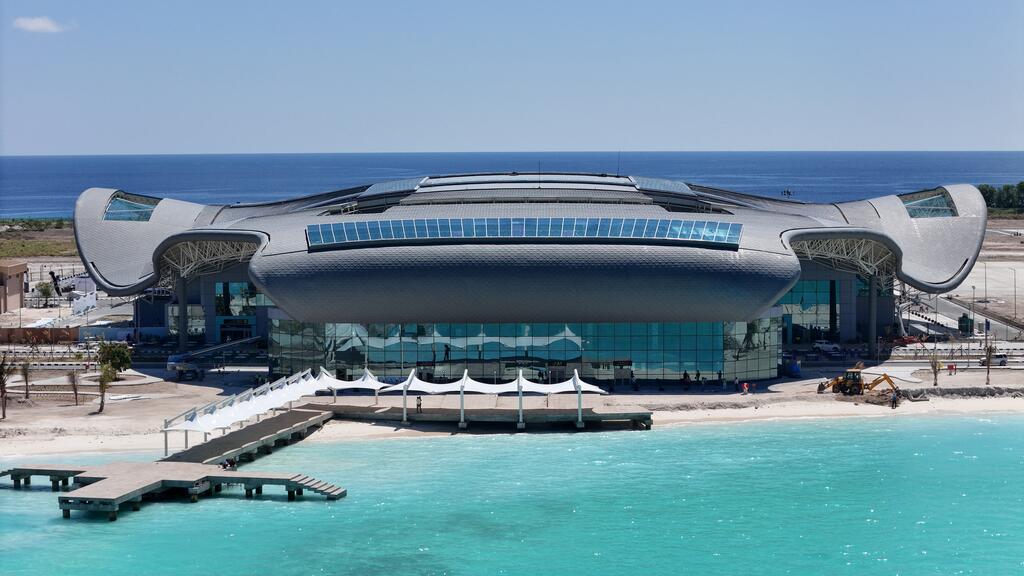
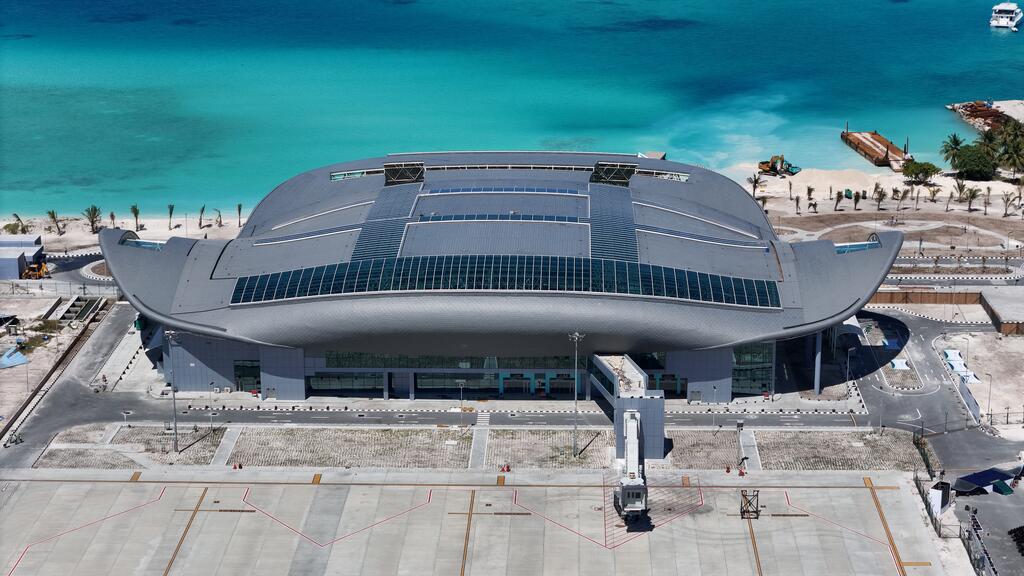
 The manta ray was an obvious choice for the architects at DRA, tasked with designing the Maldives’ third international airport terminal.
Firstly because of the formal resemblance between this giant of the seas and aircraft, and secondly because the country occupies 90,000 km2 spread across 1,200 atolls – atoll being a Maldivian word adopted by many languages.
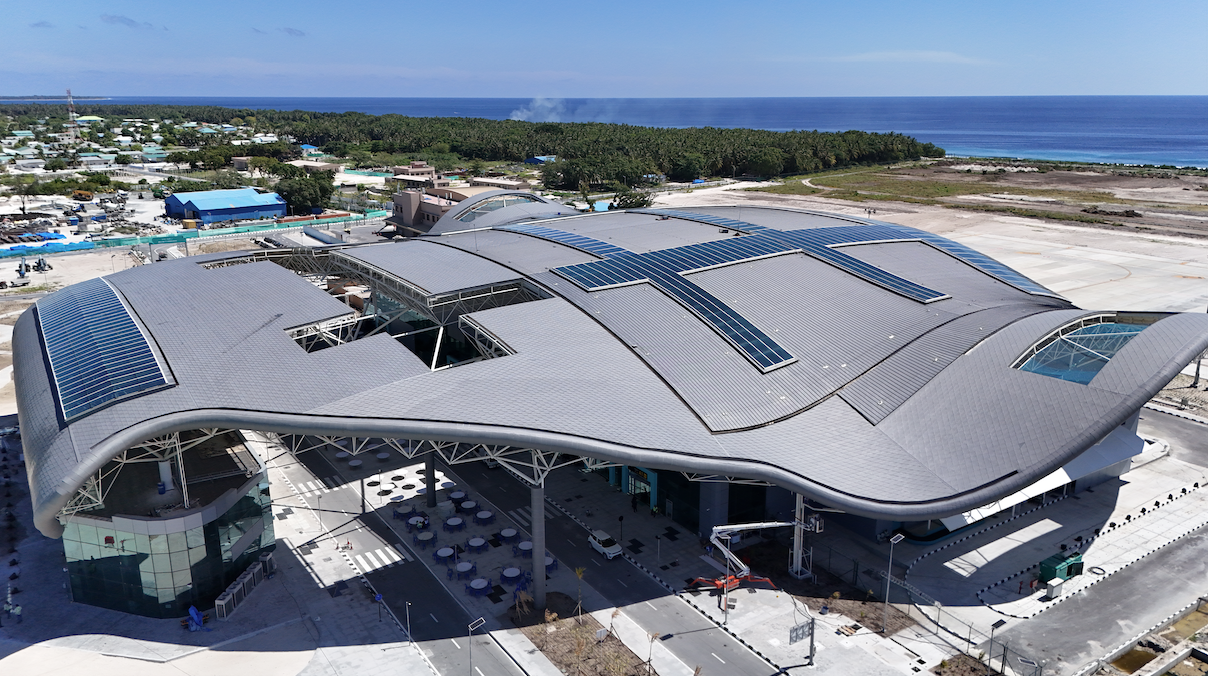
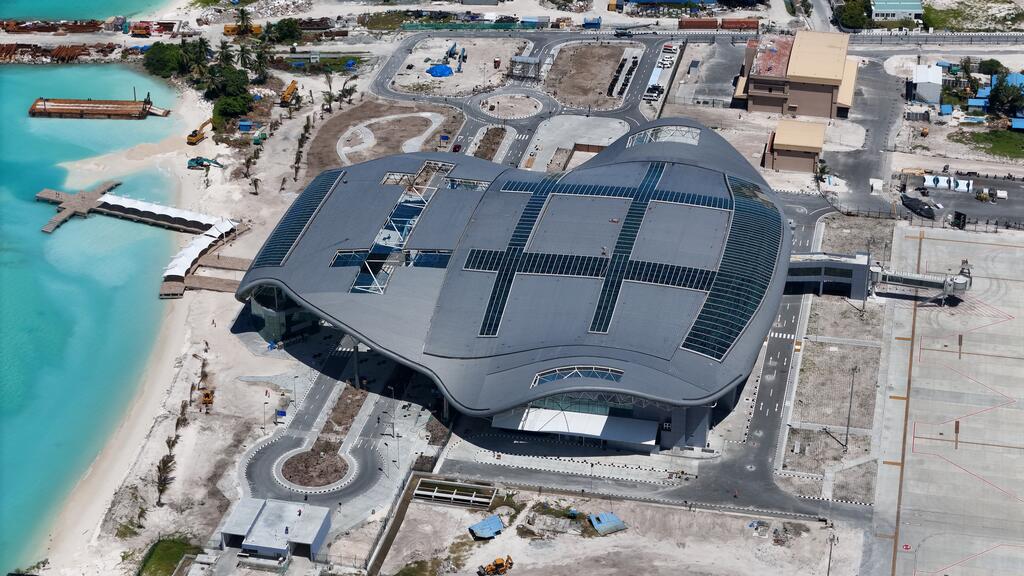
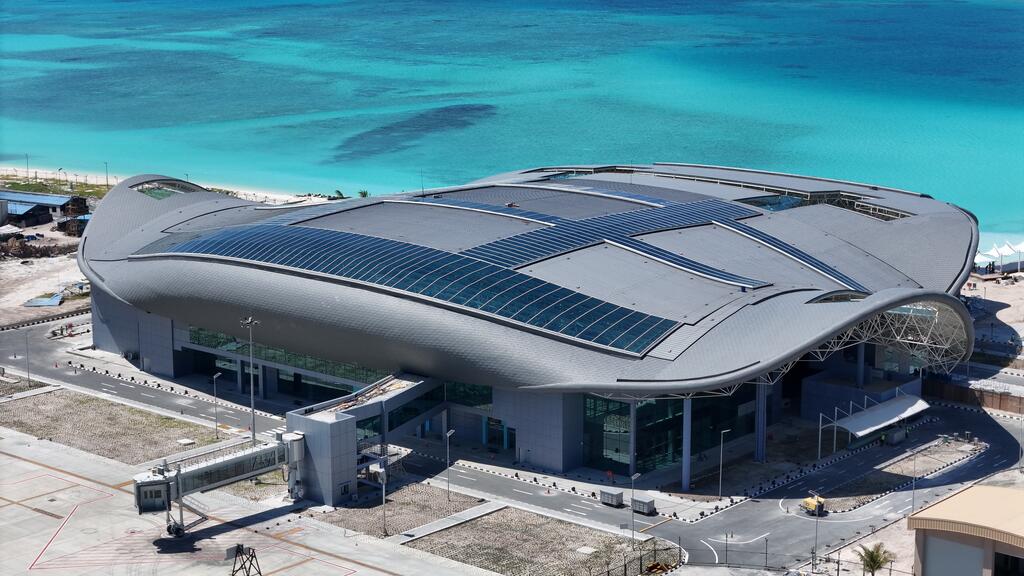
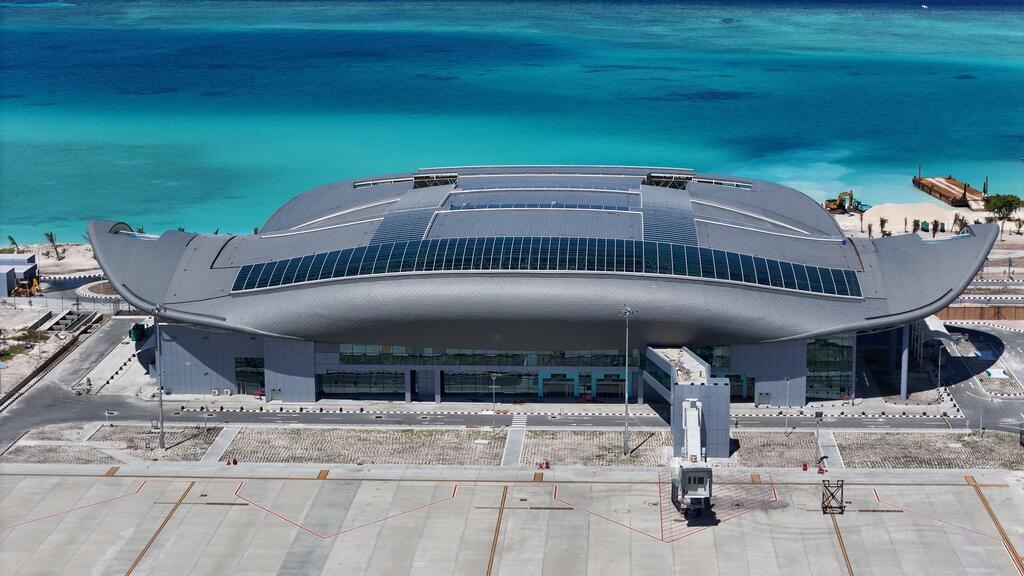
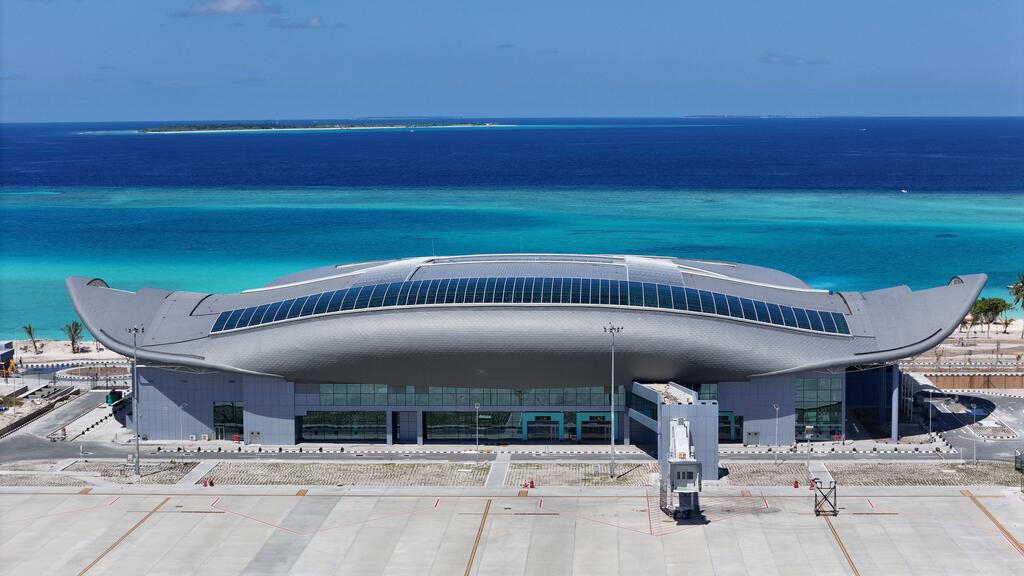
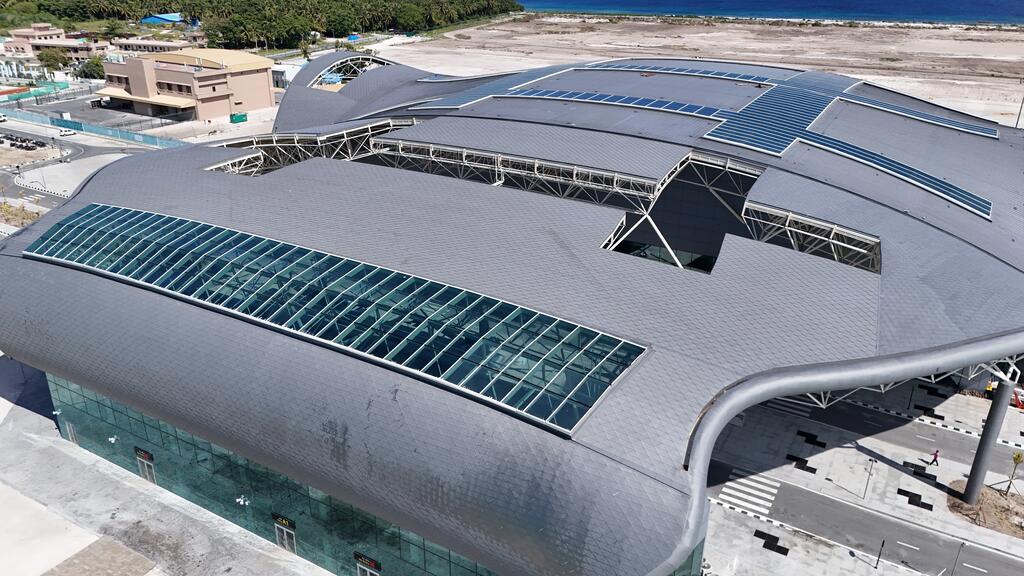
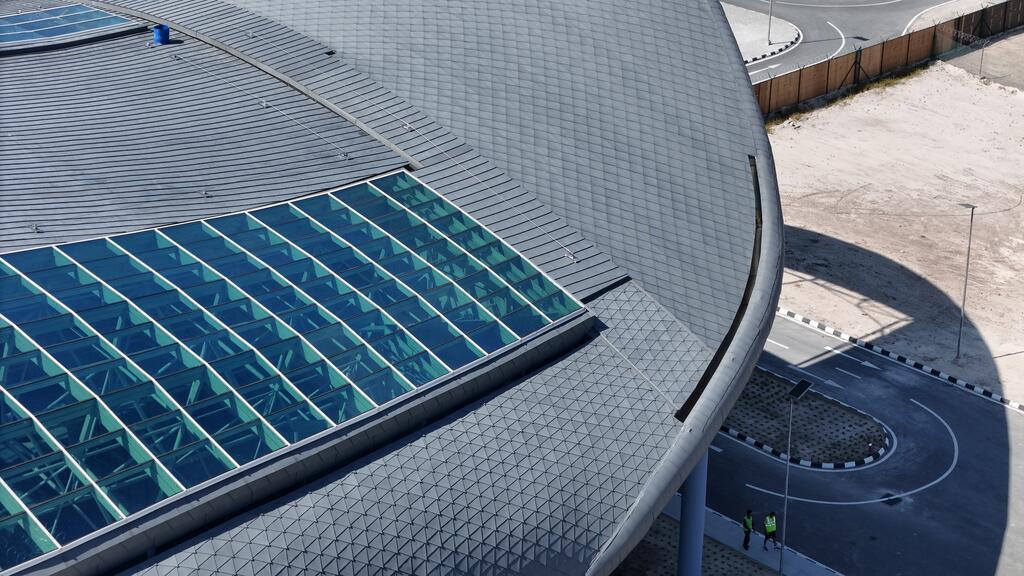
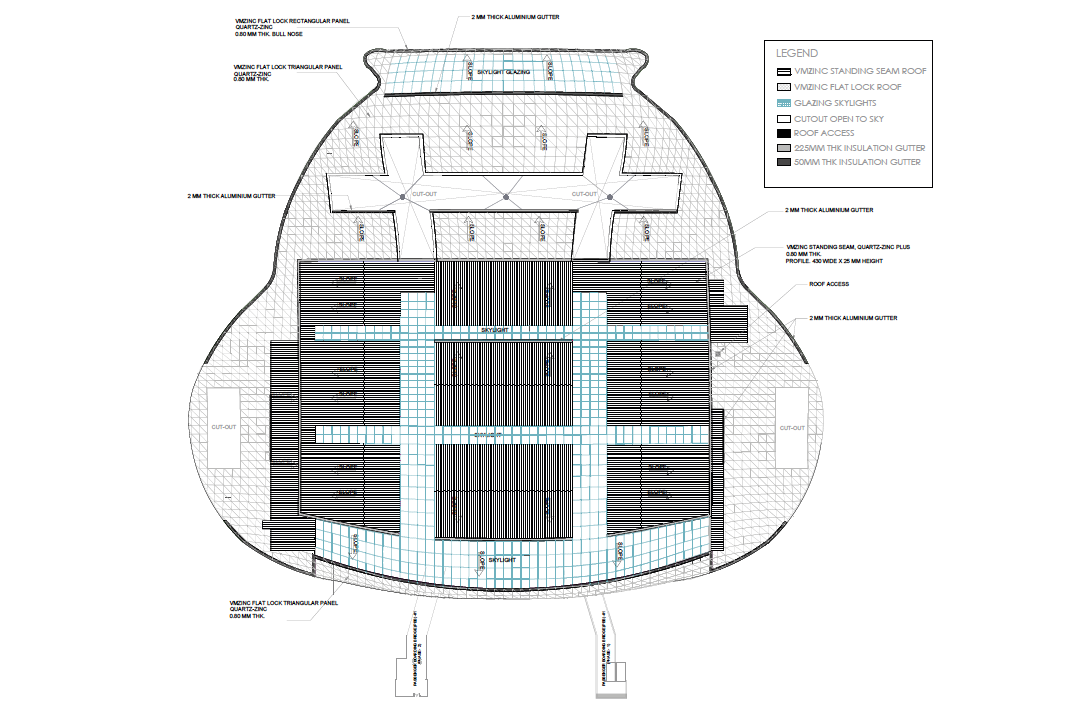
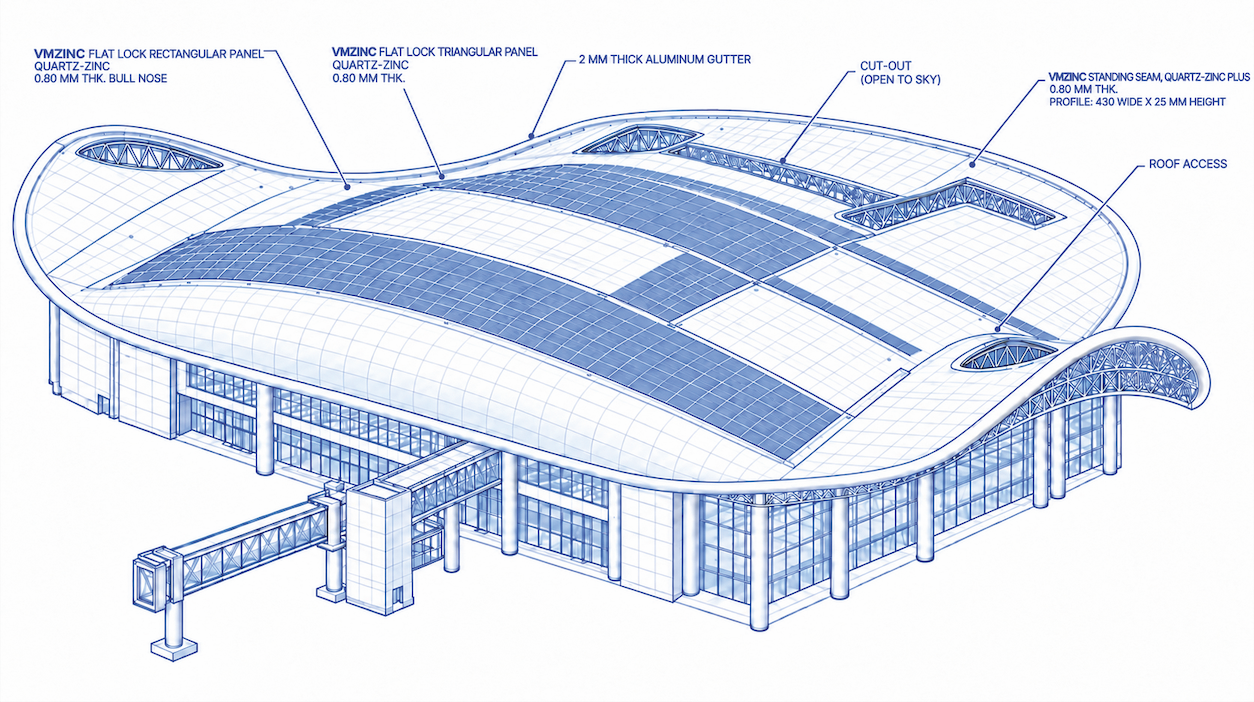
Situated by the water, Hanimadhoo terminal evokes a ray frozen in an aerial leap. The roof encompasses all passenger activities – access, control areas, boarding areas, etc. Resistant to sea air, the zinc cladding follows the roof’s volutes and incorporates roof glazing or light wells that naturally illuminate the various passenger spaces. The Standing seam panels articulate the primary roof surfaces, while rectangular and triangular Flat lock panels resolve specific conditions.
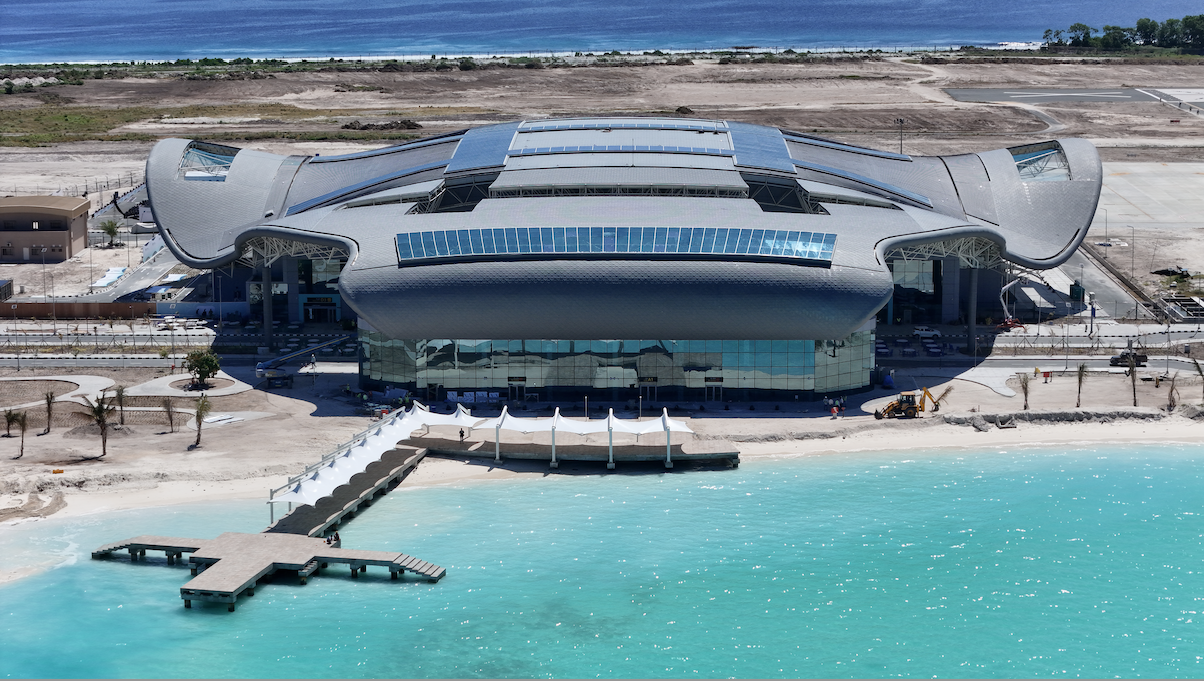
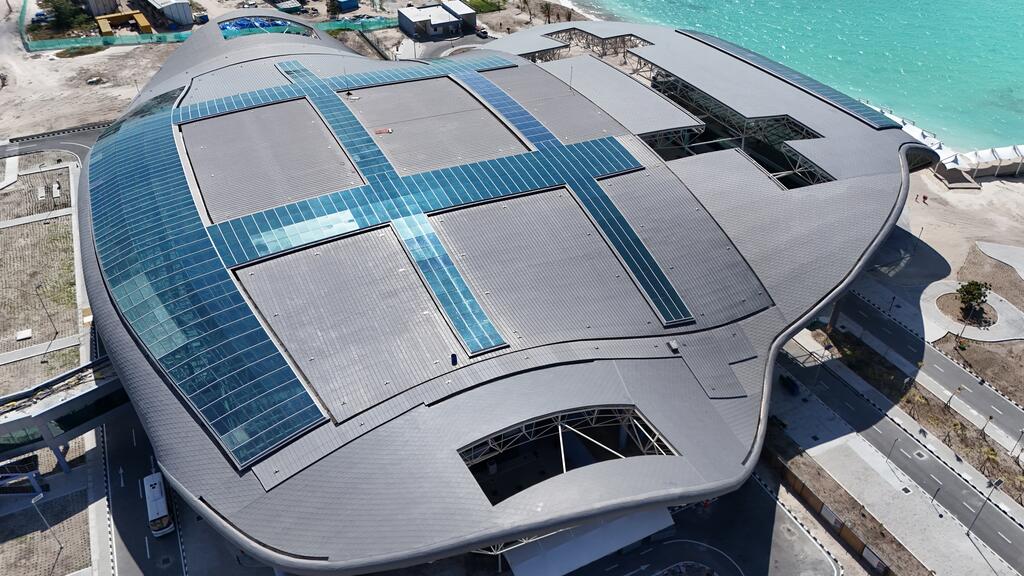
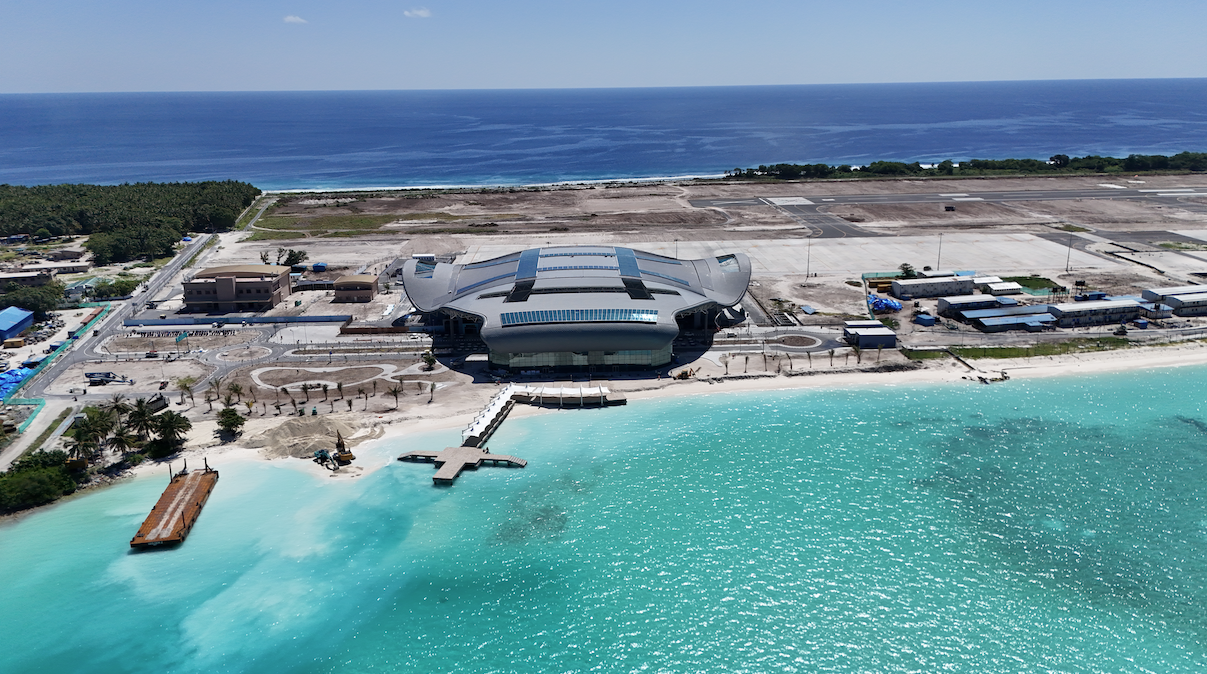
It is, however, from the air that visitors arriving in the Maldives will best appreciate the airport’s non-human appearance, and contemplate this monumental ray with its “living” metal skin.
 This roof design, which architects customarily refer to as the ‘fifth façade’, takes on an animalistic character here, encapsulating the destination’s attractions. 1.3 million visitors are expected to see it each year.
Studio DRA transforms a functional airport canopy into an architectural expression of movement and nature.
The columns of Egyptian temples reproduced papyrus plants. At the beginning of the 20th century, Art Nouveau sought to capture the plasticity of plants in its load-bearing metal structures. In the 21st century, the very form of fauna or flora may sometimes be reproduced in a building. Which animal should be chosen? That is the question facing designers who follow the path of faunal mimicry.
The manta ray was an obvious choice for the architects at DRA, tasked with designing the Maldives’ third international airport terminal.Firstly because of the formal resemblance between this giant of the seas and aircraft, and secondly because the country occupies 90,000 km2 spread across 1,200 atolls – atoll being a Maldivian word adopted by many languages.
Situated by the water, Hanimadhoo terminal evokes a ray frozen in an aerial leap. The roof encompasses all passenger activities – access, control areas, boarding areas, etc. Resistant to sea air, the zinc cladding follows the roof’s volutes and incorporates roof glazing or light wells that naturally illuminate the various passenger spaces. The Standing seam panels articulate the primary roof surfaces, while rectangular and triangular Flat lock panels resolve specific conditions.
It is, however, from the air that visitors arriving in the Maldives will best appreciate the airport’s non-human appearance, and contemplate this monumental ray with its “living” metal skin.
This roof design, which architects customarily refer to as the ‘fifth façade’, takes on an animalistic character here, encapsulating the destination’s attractions. 1.3 million visitors are expected to see it each year.Studio DRA transforms a functional airport canopy into an architectural expression of movement and nature.