Featured
Emily Hobhouse Museum, Cornwall (UK)
Reference details
- Location United Kingdom
- Architects Stonewood Design
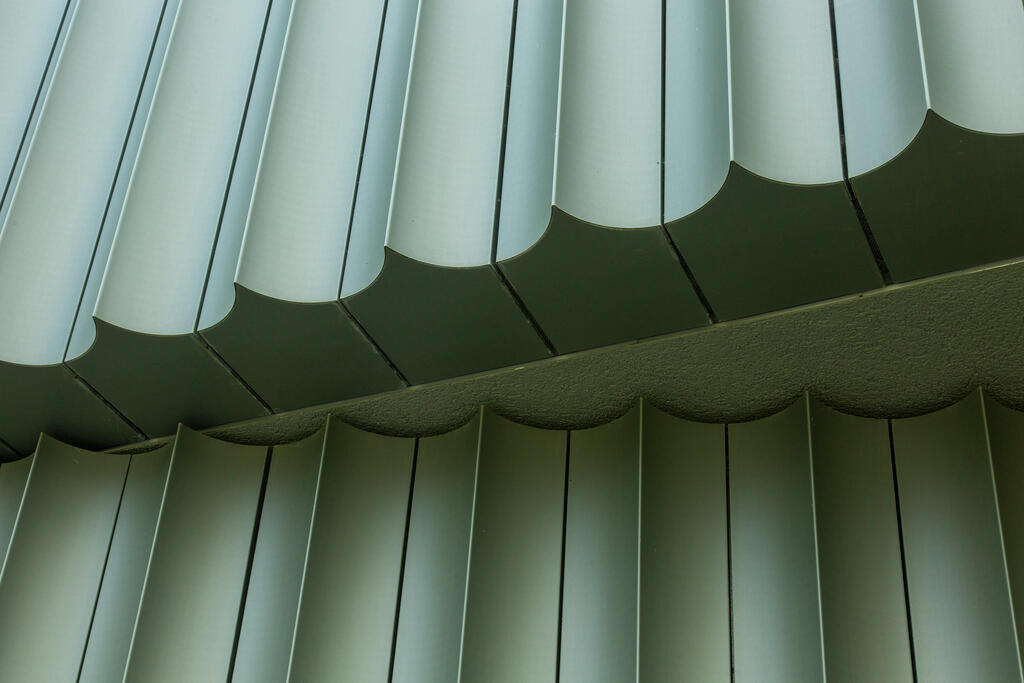
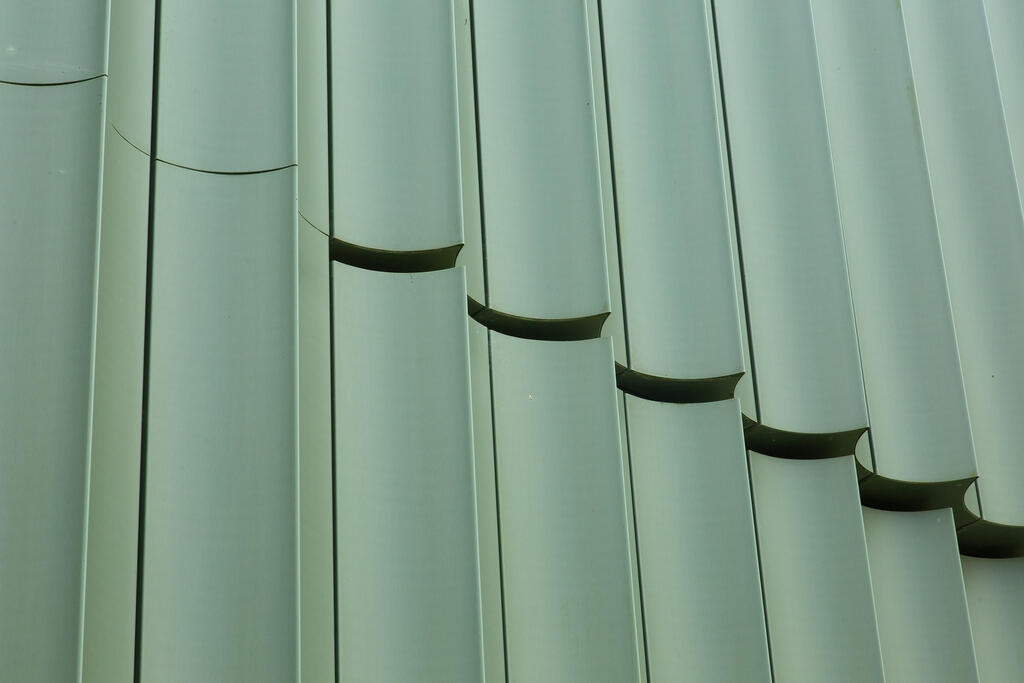
- Technique(s) VMZINC Sine wave profile, ISOPLI, VMZINC Standing seam
- Aspect(s) PIGMENTO Green
- Application Type Roofing, Facade
- Contractor(s) Architectural Metal Roofing
In the village of St Ives, in Cornwall, Story of Emily pays tribute to Emily Hobhouse, a British humanitarian figure from the Second Boer War.
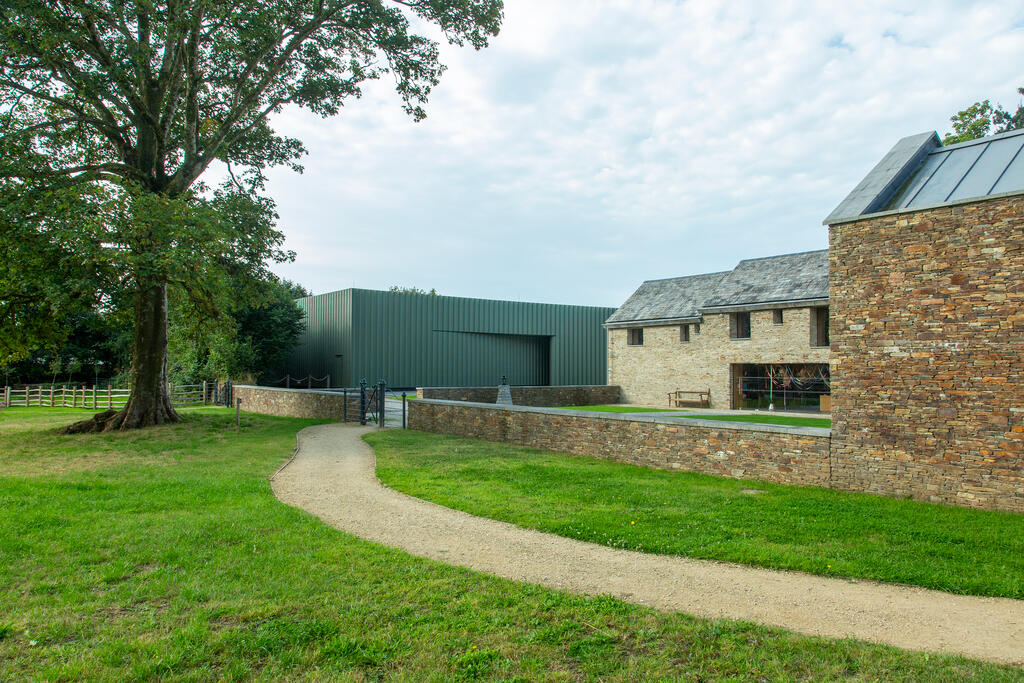
Designed by Stonewood Design, the site combines heritage restoration with contemporary writing, with materiality fully contributing to the narrative. Thus, the new exhibition building adjacent to the Vicarage — a local Grade 2 listed property — houses the latest museography.
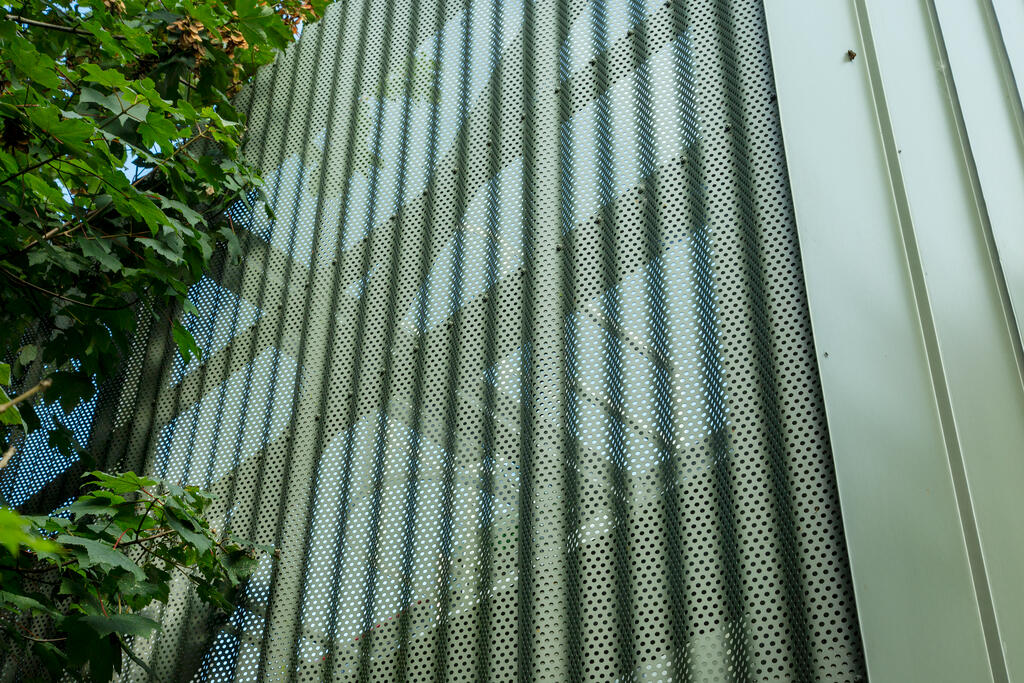
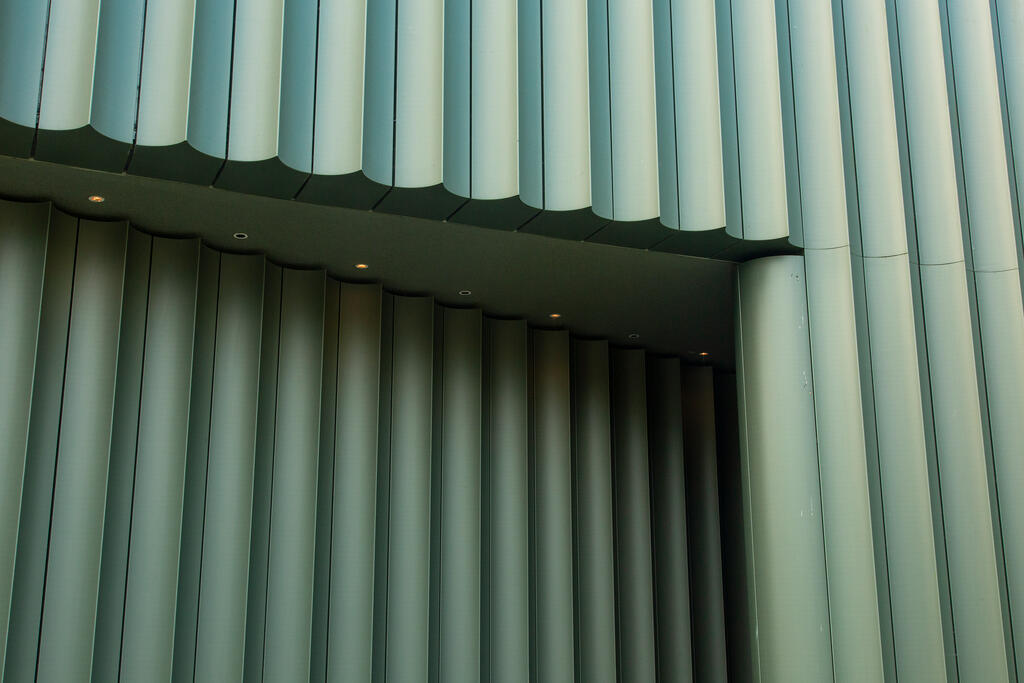
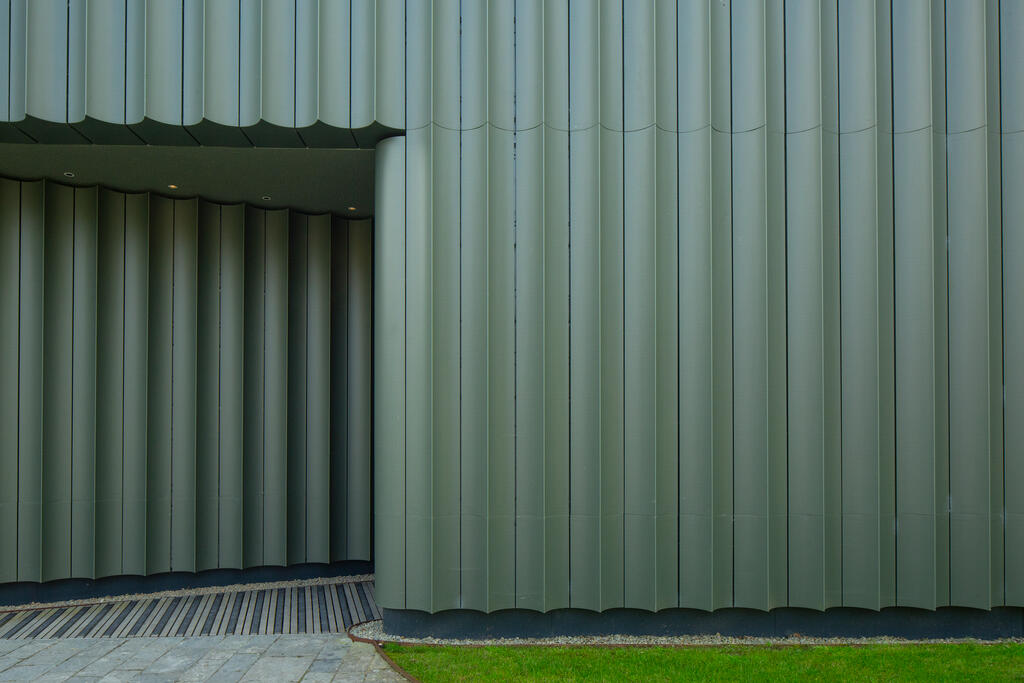
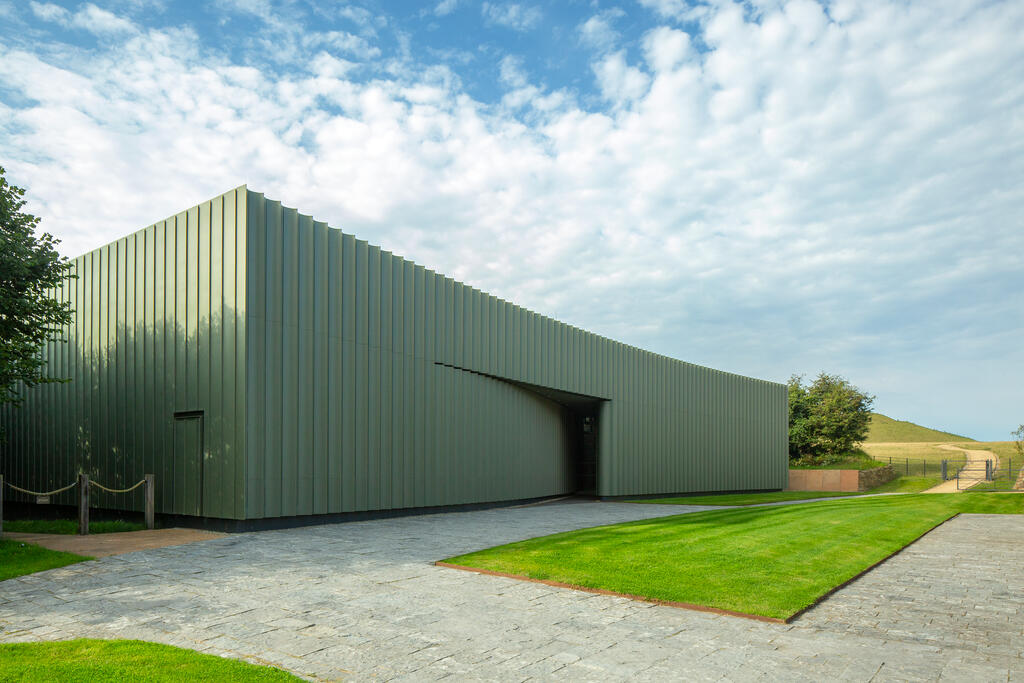
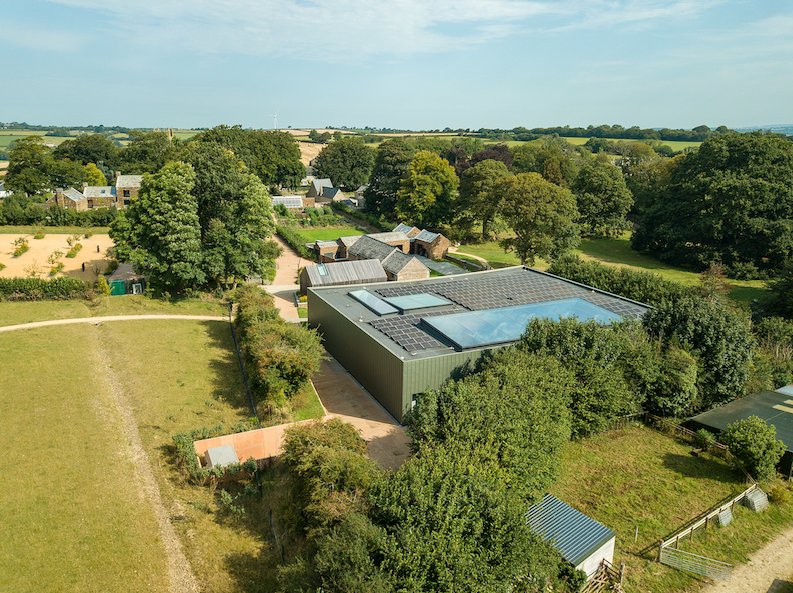 Its enigmatic, almost abstract envelope combines 1,016 m² of PIGMENTO® green in three installation systems: Standing seam, Sine wave profile for one section, and, on the main façade, an ISOPLI® cassette system. The slightly included entrance to this space, named War Rooms, highlights the architectural character of this project, with a strong presence that deliberately contrasts with the traditional housing elsewhere on the site.
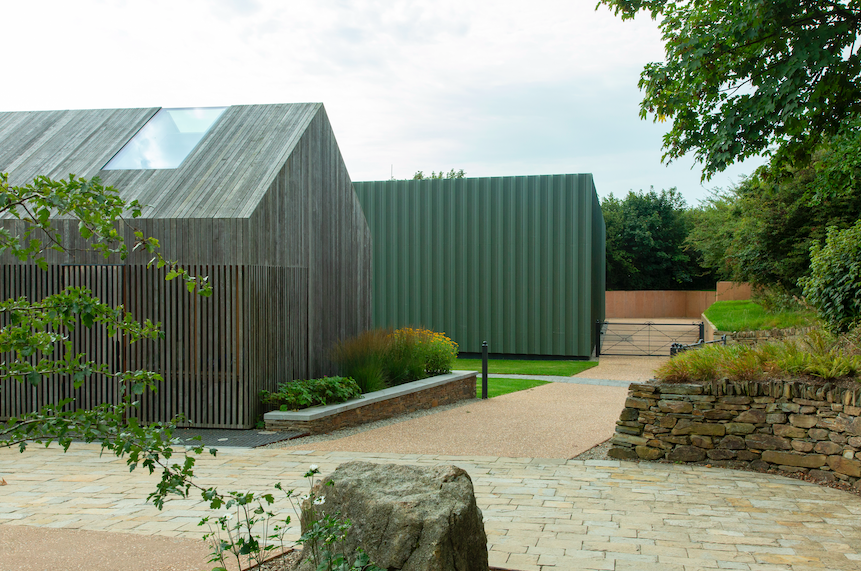
Zinc was chosen here for its freedom of form and durability, essential qualities for a cultural facility designed to stand the test of time.
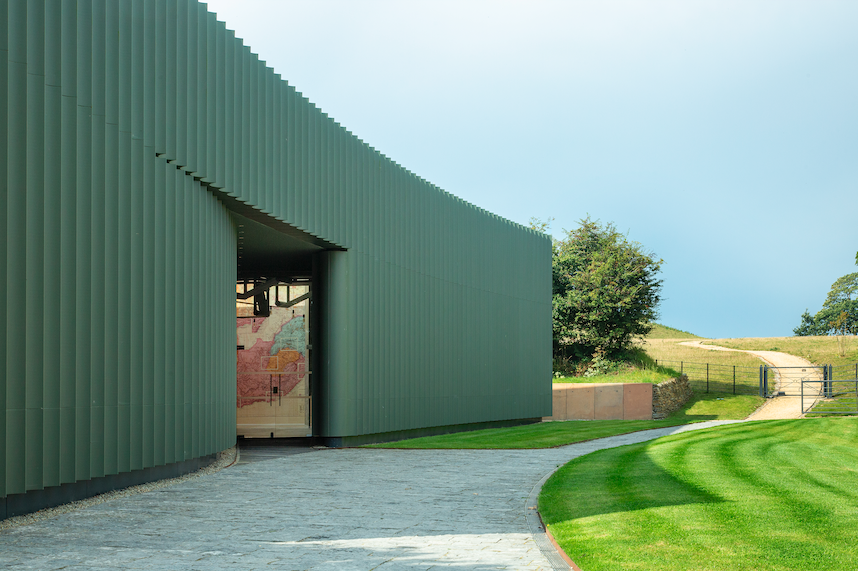 This building was awarded RIBA SW Project of the Year Award 2025 and Royal Fine Art Commission: Building Beauty Awards as Grand Winner.
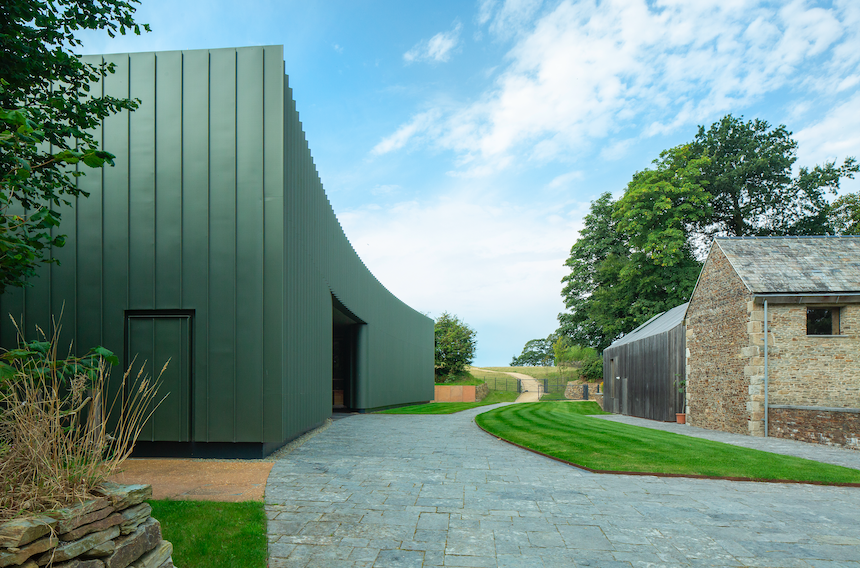
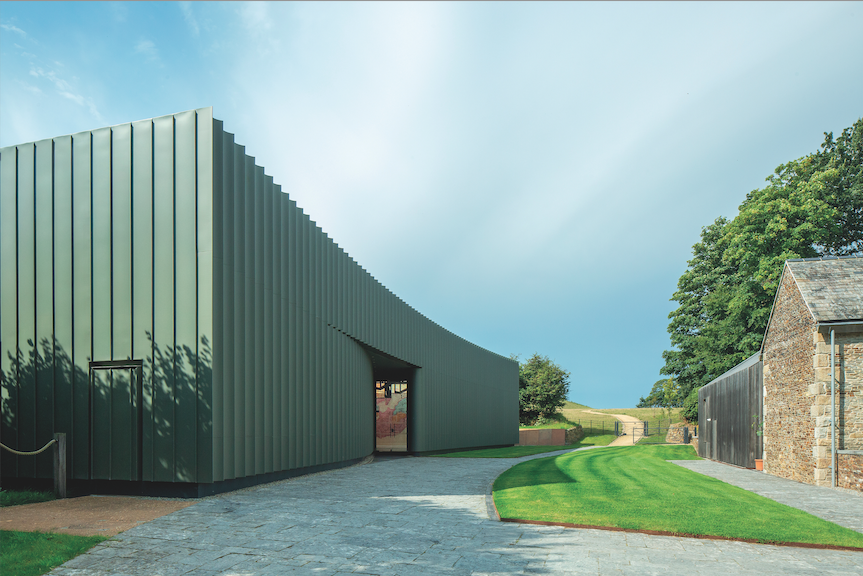
Designed by Stonewood Design, the site combines heritage restoration with contemporary writing, with materiality fully contributing to the narrative. Thus, the new exhibition building adjacent to the Vicarage — a local Grade 2 listed property — houses the latest museography.
Its enigmatic, almost abstract envelope combines 1,016 m² of PIGMENTO® green in three installation systems: Standing seam, Sine wave profile for one section, and, on the main façade, an ISOPLI® cassette system. The slightly included entrance to this space, named War Rooms, highlights the architectural character of this project, with a strong presence that deliberately contrasts with the traditional housing elsewhere on the site.Zinc was chosen here for its freedom of form and durability, essential qualities for a cultural facility designed to stand the test of time.
This building was awarded RIBA SW Project of the Year Award 2025 and Royal Fine Art Commission: Building Beauty Awards as Grand Winner.