
Featured
Anrenfang site protection project (China)
Reference details
- Location Xi 'an, CHINA
- Technique(s) Honeycomb panel by VMZINC
- Aspect(s) PIGMENTO Grey
- Application Type Facade
With 8 million inhabitants in central China, Xi’an ranks among the country’s 10 largest cities. When it was known as Chang’an (Everlasting Peace), it held the highest rank, having been granted the status of capital of the country during the Qin, Han and Tang dynasties.
According to various estimates, it had almost 2 million inhabitants around AD 750. Spending three millennia at the forefront of history inevitably leaves numerous remains: among the most famous are the Terracotta Army and the Small Wild Goose Pagoda, built at the beginning of the Tang dynasty.
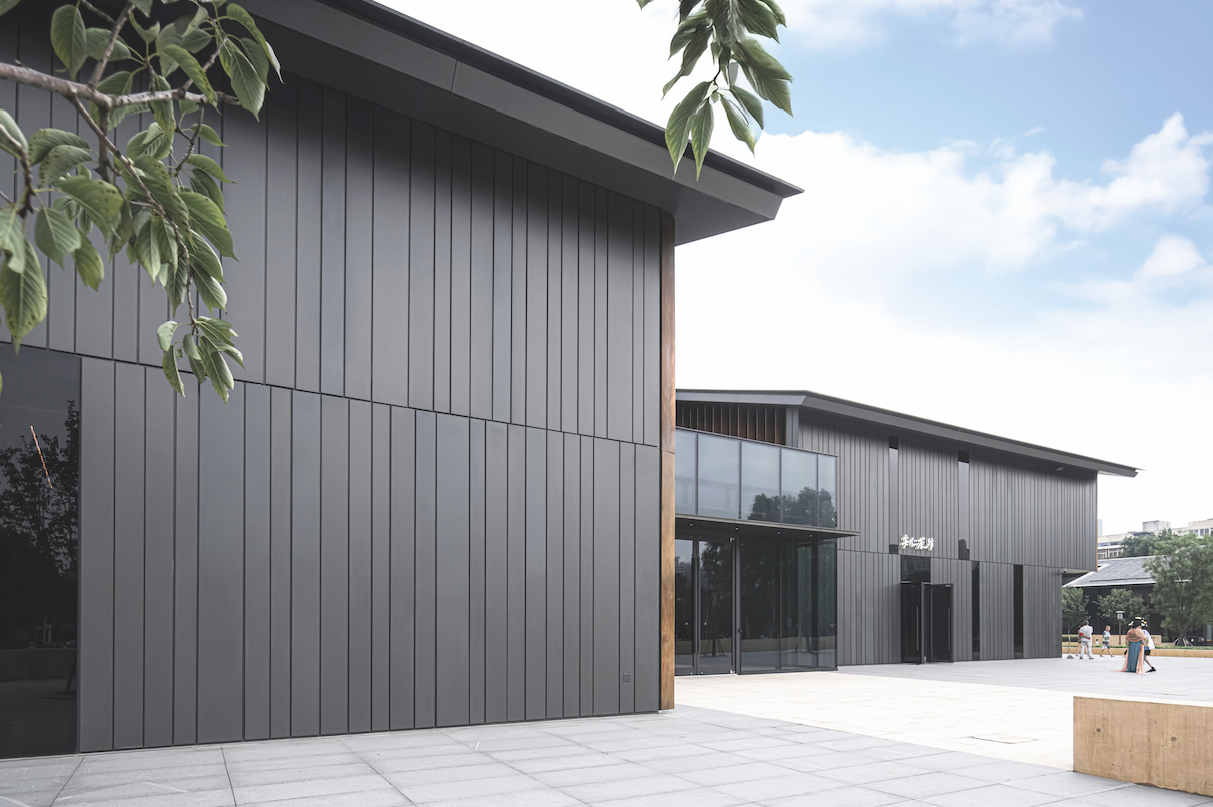
This monument is the centrepiece of an archaeological complex centred on the former patrician district of Anrenfang.
The complex of two buildings designed by DDB Architects Shanghai houses archaeological remains and welcomes visitors across the entire site.
The site’s historical significance led the architects to adopt an approach they describe themselves as modest. The new buildings establish a dialogue with the pagoda, the large neighbouring museum and the urban sequences surrounding it.
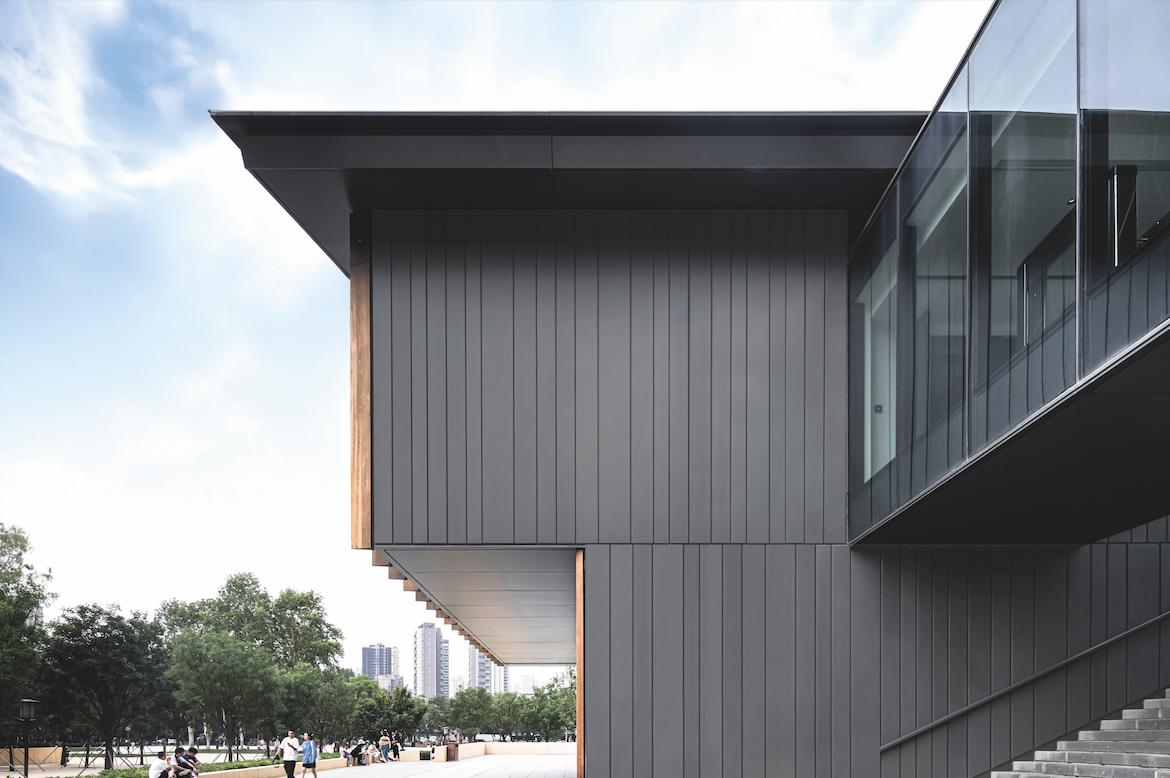
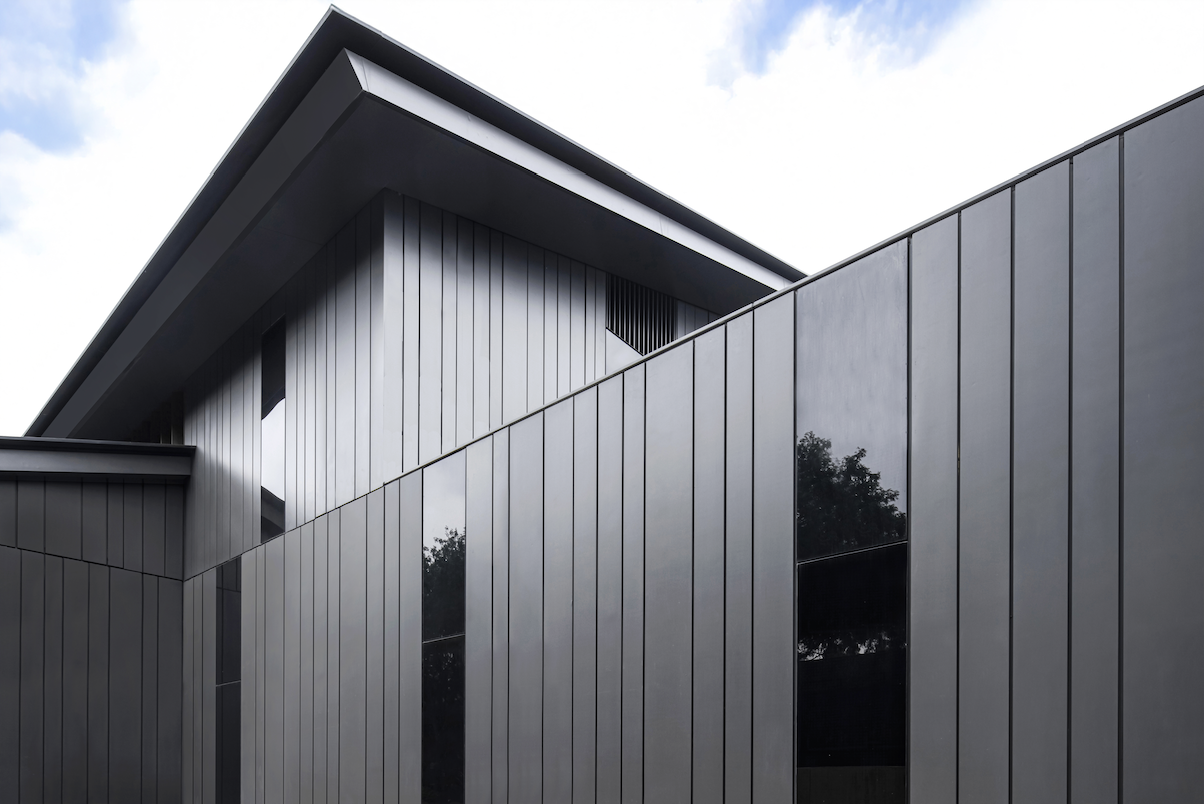
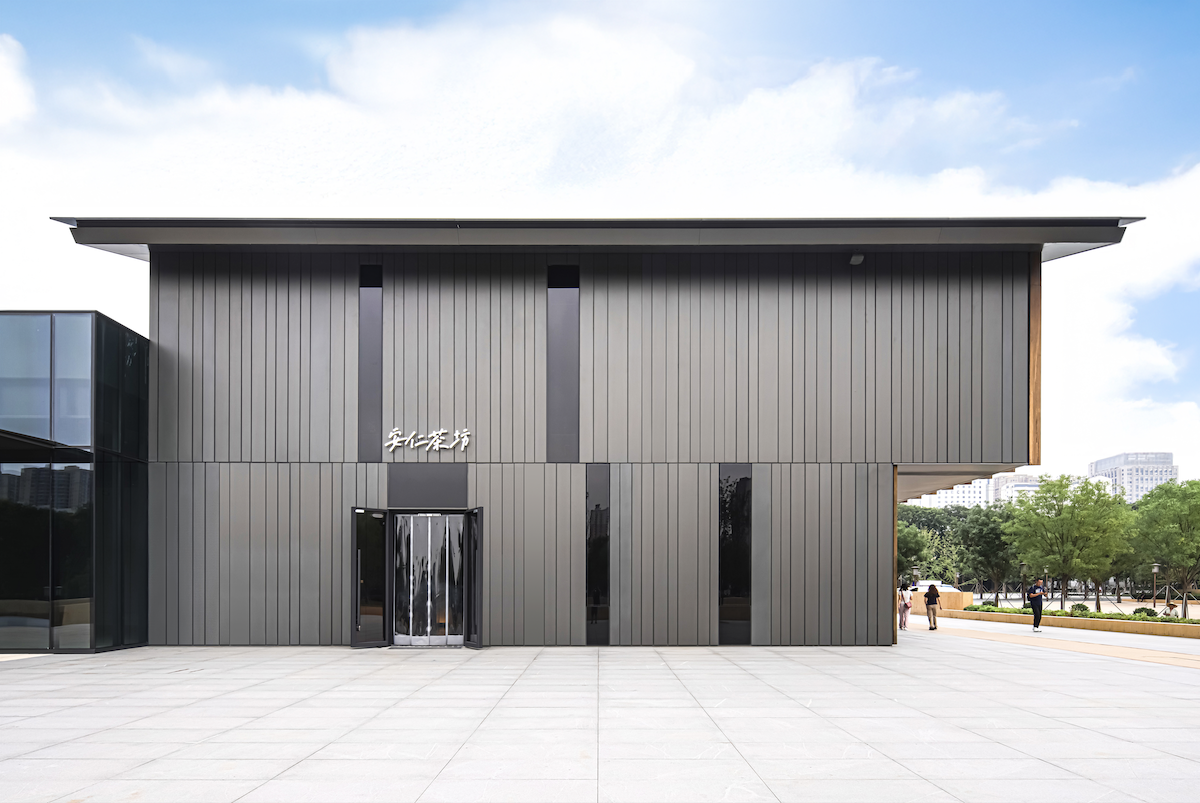
The low, compact volumes are inspired by the ancient houses of the Tang dynasty, particularly their large roofs, which interlock while creating narrow passageways providing access to terraces overlooking the pagoda, even when the museum is closed. The largest volume encloses a spacious area containing archaeological remains, beneath a glass floor.
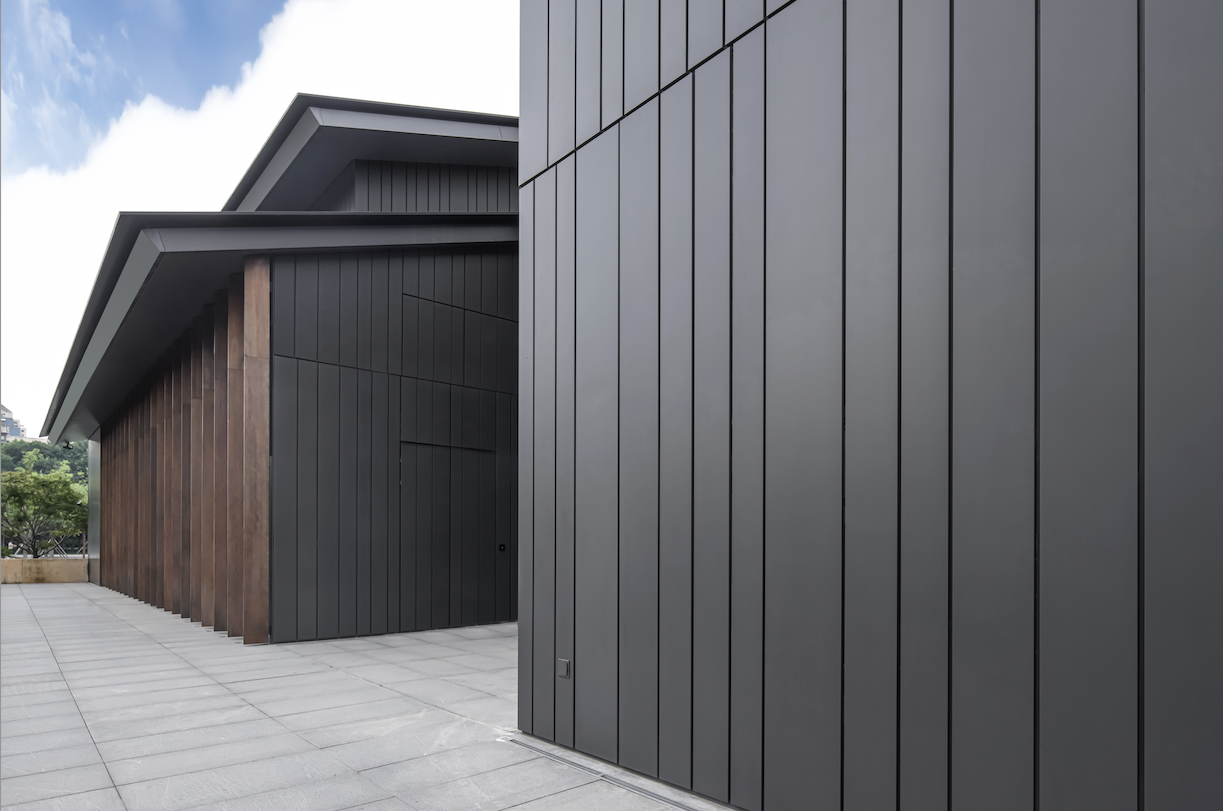
With the intention of avoiding any confusion with the site’s historic components, the architects opted for materials unknown in the dynastic periods: glass façade, solid timber board and cassette panels in PIGMENTO® grey.
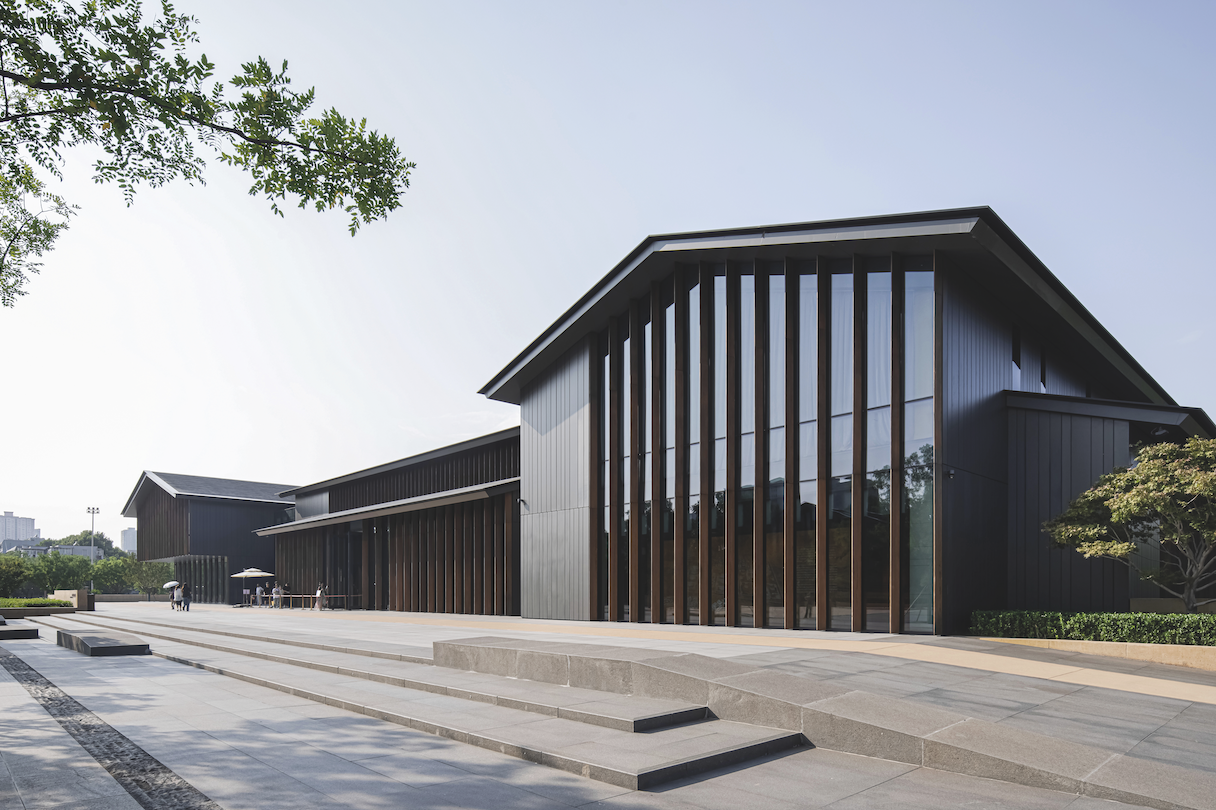
A matt metal roof covering imitates traditional tile. Architecture from the past, revisited in a cleaner, sharper version reflecting our era, nonetheless resonates with traditional architecture at its finest.
According to various estimates, it had almost 2 million inhabitants around AD 750. Spending three millennia at the forefront of history inevitably leaves numerous remains: among the most famous are the Terracotta Army and the Small Wild Goose Pagoda, built at the beginning of the Tang dynasty.
This monument is the centrepiece of an archaeological complex centred on the former patrician district of Anrenfang.
The complex of two buildings designed by DDB Architects Shanghai houses archaeological remains and welcomes visitors across the entire site.
The site’s historical significance led the architects to adopt an approach they describe themselves as modest. The new buildings establish a dialogue with the pagoda, the large neighbouring museum and the urban sequences surrounding it.
The low, compact volumes are inspired by the ancient houses of the Tang dynasty, particularly their large roofs, which interlock while creating narrow passageways providing access to terraces overlooking the pagoda, even when the museum is closed. The largest volume encloses a spacious area containing archaeological remains, beneath a glass floor.
With the intention of avoiding any confusion with the site’s historic components, the architects opted for materials unknown in the dynastic periods: glass façade, solid timber board and cassette panels in PIGMENTO® grey.
A matt metal roof covering imitates traditional tile. Architecture from the past, revisited in a cleaner, sharper version reflecting our era, nonetheless resonates with traditional architecture at its finest.


