Zinc Facade Systems Explained: Standing Seam, Flat Lock, Interlocking Panels, Perforation and ADEKA
Walk through any fast-growing Indian city and you will notice more and more facades wrapped in metal. More and more often, that metal is zinc. Architects keep coming back to zinc cladding because it does several things at once: it looks refined and natural, it lasts for decades, and it asks for almost no maintenance once it is up.
Here is the part that often gets missed, though. "Zinc cladding" is not one product. It is a family of systems, and the one you choose changes how the building reads from the street, how it handles corners and curves, and how it goes together on site. In this guide we walk through the main VMZINC facade systems used on zinc building cladding projects in India: standing seam, flat lock panels, interlocking panels, perforation and ADEKA. By the end, you should have a clear sense of which zinc facade panels suit your design.
Why zinc makes such a good building skin
VMZINC products are made from titanium zinc: 99.995% pure zinc with small additions of copper, titanium and aluminium, produced to EN 1179 and EN 988. That alloy gives the metal its strength and lets it be folded, curved and formed without fuss.
The real magic is the patina. As zinc meets air and moisture, it forms a protective layer of zinc hydroxy carbonate that shields the metal underneath and quietly heals over minor scratches. That is why zinc copes so well with heavy monsoon rain and strong sun alike. It is also fully recyclable, a real plus for projects chasing green building ratings.
If you would rather not wait for nature to do its work, pre-weathered finishes give you the final look from day one: mid-grey QUARTZ-ZINC®, deep charcoal ANTHRA-ZINC®, the softly coloured PIGMENTO® range and the engraved AZENGAR® finish. You can explore the full range of zinc cladding solutions from VMZINC India.
Standing seam zinc cladding
Standing seam zinc cladding
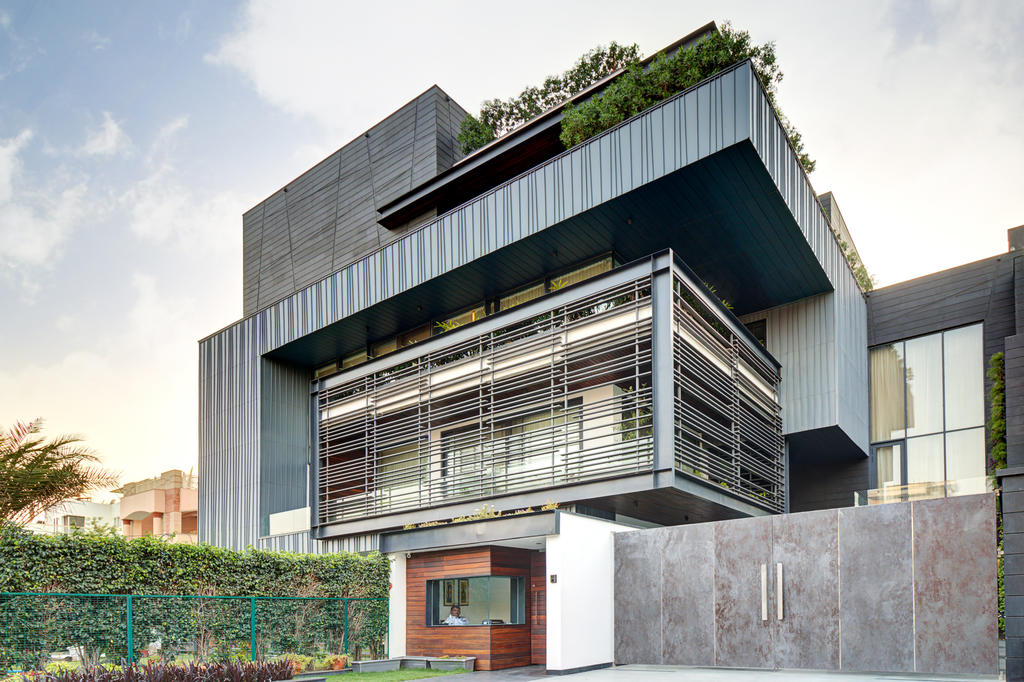
Standing seam is the classic. Long zinc trays are laid side by side, and their raised edges are folded together into a seam that stands proud of the surface. Concealed clips fix the trays to the structure, so there are no visible screws on the face of the building.
The result is a strong, rhythmic pattern of lines and shadows. Seams can run vertically, horizontally or diagonally, and because the trays can be curved, standing seam is brilliant for sweeping, organic shapes. Standing seam suits tall facades, curved walls and feature elements where you want the building to read as one strong, continuous form.
In India, standing seam zinc cladding is increasingly used on commercial, institutional and industrial facades, where the seams add depth and materiality to otherwise simple building volumes.
Worth knowing
Standing seam trays are thin metal, so a gentle undulation across the surface is normal and part of the character. If your design calls for a flatter, more planar look, flat lock or interlocking panels will serve you better.
Interlocking zinc wall panels
Interlocking zinc wall panels
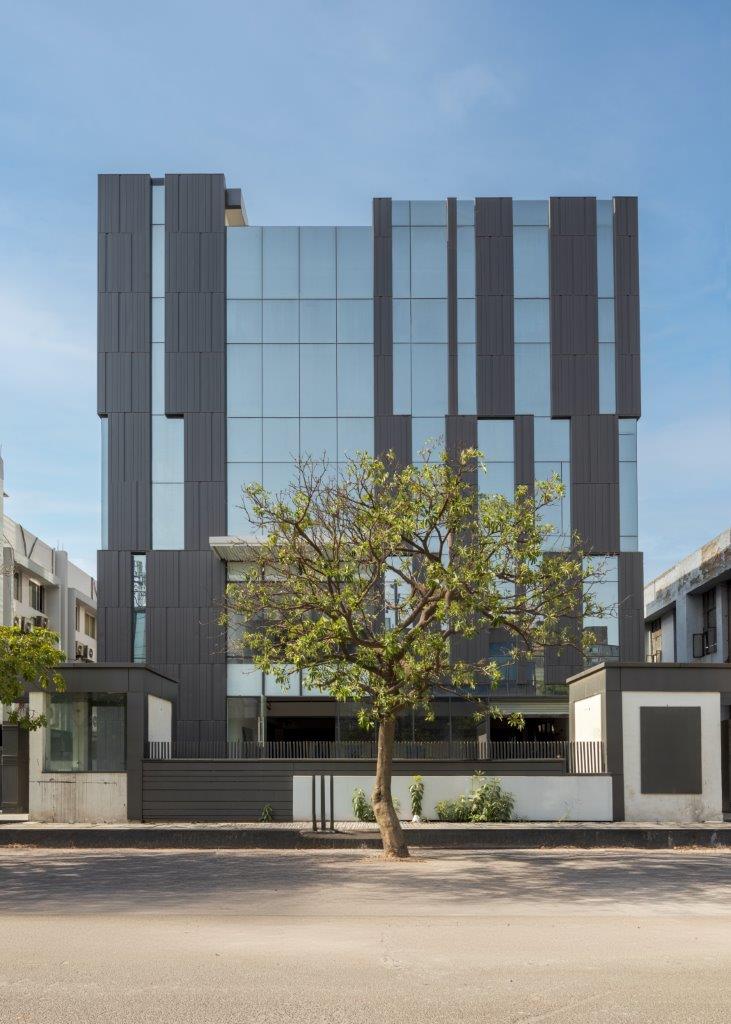
Interlocking panels are the go-to choice when you want zinc metal wall panels with a crisp, linear and very flat finish. Each panel hooks into the next through an interlocking groove, creating a neat recessed joint. The panels are fixed to a metal or timber framework attached to the main structure, leaving a ventilated cavity behind.
That cavity is what makes this a rainscreen system. Rain is kept off the wall, air moves freely behind the panels and moisture has an easy way out. It suits new builds and refurbishments, and panels can run horizontally or vertically. Since the panels are narrow and rigid, the surface reads much flatter than standing seam.
Interlocking panels scale comfortably from private homes to large commercial facades, and they pair especially well with perforation when the design calls for a lighter, more open skin.
Flat lock zinc panels
Flat lock zinc panels
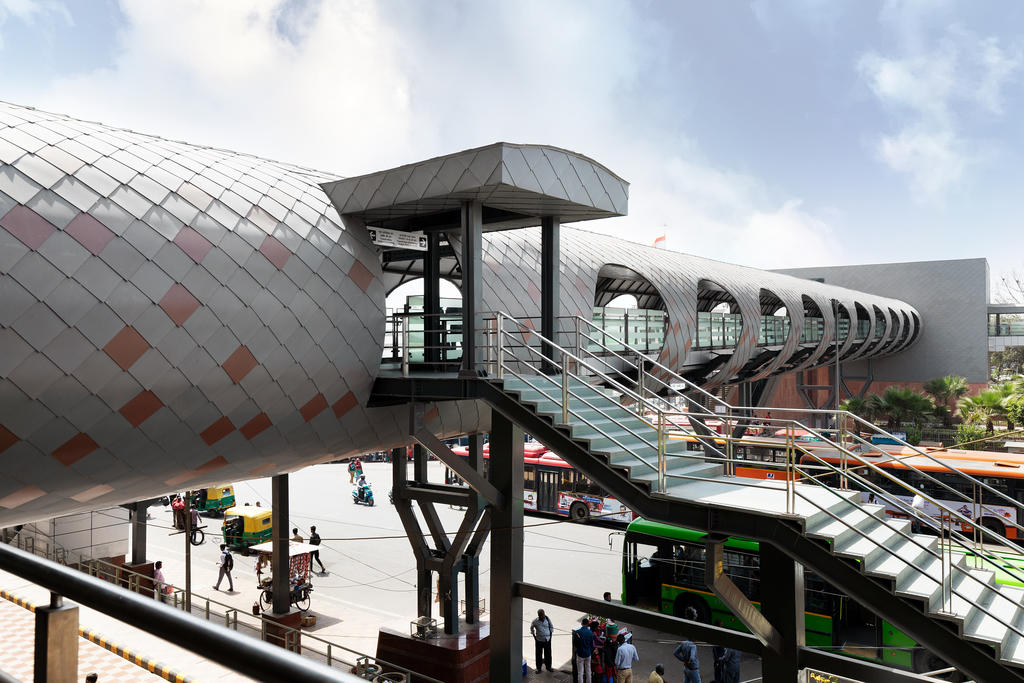
Shingles bring texture. Instead of long trays or large panels, the facade is built up from many small zinc units, a bit like the scales of a fish or the tiles on a traditional roof. VMZINC shingles come in square, rectangular and diamond shapes, smooth or ornamented, and bespoke shapes are possible too.
They are stapled together onto a continuous, ventilated timber substrate and can be laid with aligned joints, staggered joints or a stone-style bond, horizontally or vertically. Joints can sit flat or stand in relief, so the same shingle can look quiet and tailored or rich and tactile depending on how it is laid.
Because each unit is small, shingles follow curves and complex forms with ease. The Esplanade One Mall in Bhubaneswar shows exactly that: its entrance is marked by an organic wave more than 100 metres long, clad entirely in VMZINC scales. Shingles are a lovely choice for feature walls, entrances, soffits and any surface where you want people to notice the craftsmanship up close.
Perforated zinc facades
Perforated zinc facades
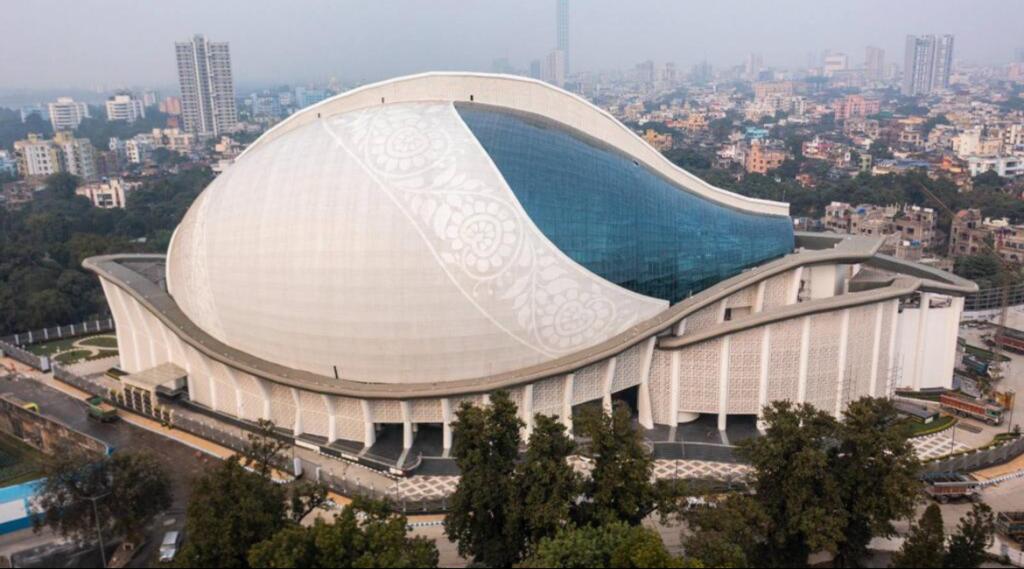
Perforation is less a system of its own and more a way to bring light, air and pattern into a zinc facade. VMZINC offers perforated zinc in a wide choice of hole shapes and sizes, and it can be applied to standing seam, flat lock panels, interlocking panels, overlapping panels and sine wave profiles.
In India, perforation earns its place for practical reasons as much as looks. A perforated zinc skin acts as a sunscreen, cutting heat gain on glazed walls, while still letting air move through for ventilation. It is fully UV resistant and needs no painting, and zinc's natural corrosion resistance keeps it looking good for years. Perforated panels are available in QUARTZ-ZINC®, ANTHRA-ZINC® and natural zinc.
On residences, a perforated zinc skin filters daylight and adds privacy while keeping the building open to air. For screens, sunshades, stair cores and car park facades, perforated zinc facade panels are hard to beat.
ADEKA zinc facade system
ADEKA zinc facade system
ADEKA is VMZINC's patented facade system built from small preformed zinc elements, each with a unique locking key. The elements are installed from the bottom up, with each one keying into the element below before being screwed to the timber support. The locking key means no special tools are needed to engage the elements, which noticeably speeds up laying time on site.
Each element measures 400 mm by 400 mm in 0.65 mm zinc, and fewer than ten elements cover a square metre. Once installed, ADEKA creates a distinctive diamond pattern with offset transverse lines, giving the facade texture and depth without complicated detailing. It comes as a complete system with a full range of flashings, so corners, openings and edges are all covered.
ADEKA is available in QUARTZ-ZINC® as standard, with ANTHRA-ZINC®, AZENGAR® and PIGMENTO® finishes on request. It suits flat facades of any size, on both new buildings and renovations, from individual homes to commercial and public buildings. It is a smart pick when you want the richness of a small-format zinc facade with a faster, simpler installation.
How to choose the right system
There is no single "best" zinc cladding system. The right answer comes from your design, your site and your programme. A few questions usually point the way:
- What should the facade express? Strong lines suggest standing seam. Calm, tailored surfaces suggest flat lock or interlocking panels. A textured diamond pattern suggests ADEKA.
- How complex is the geometry? For curves and organic forms, standing seam and flat lock panels adapt most easily.
- How flat does it need to look? Interlocking panels give the flattest, most linear finish.
- Is heat, light or privacy part of the brief? Add perforation to standing seam, flat lock or interlocking panels.
- Is installation speed a priority? ADEKA's locking key makes it one of the quickest zinc facades to lay.
- It is also worth bringing in the zinc specialist and installer early. Details at corners, windows, parapets and junctions are where a zinc facade really succeeds, and the right advice at design stage saves time on site.
Choosing the finish
Once the system is settled, the finish sets the mood. QUARTZ-ZINC® gives a soft mid-grey that sits comfortably beside glass, stone and timber. ANTHRA-ZINC® is darker and more graphic, perfect for bold, sculptural forms. PIGMENTO® adds subtle colour while keeping zinc's natural grain, and AZENGAR® offers an engraved, lighter surface. Combining finishes with perforation or bespoke profiles opens up even more options.
Frequently asked questions
What is zinc cladding?
Zinc cladding is an external wall finish made from rolled titanium zinc. It is installed as standing seam trays, flat lock panels, interlocking panels or small-format systems such as ADEKA, usually over a ventilated substrate, and it protects the building while giving it a distinctive metal finish.
What is the difference between flat lock and interlocking zinc panels?
Flat lock panels are hemmed on all four sides and locked together with flat seams over a continuous timber or plywood substrate, offering lots of freedom in panel shape. Interlocking panels are longer, linear panels that click together with a recessed groove on a ventilated rainscreen frame, giving a very flat, linear look.
Are zinc wall panels suitable for Indian weather?
Yes. Zinc's natural patina protects it against rain and humidity, and ventilated build-ups help manage heat and moisture behind the facade. For coastal sites, discuss the surface finish with a specialist.
Can zinc facade panels be perforated?
Yes. Perforation can be applied to standing seam, flat lock, interlocking and overlapping panels, as well as sine wave profiles. It is ideal for sunscreens, ventilation and patterned facades.
What makes ADEKA different from other zinc facade systems?
ADEKA uses small preformed elements with a patented locking key, so they slot together quickly without special tools and create a diamond pattern. It comes with a complete flashing range, making it a fast, tidy solution for flat facades.
How much maintenance does zinc building cladding need?
Very little. The patina protects the metal for decades and there is no paint to refresh. Keeping gutters and drainage clear is usually all that is needed.
Bringing zinc to your next project
Standing seam, flat lock panels, interlocking panels, perforation and ADEKA each give zinc a different voice, from sweeping lines to calm planes, filtered light and rich diamond texture. Whichever you choose, you get a facade that ages gracefully and keeps protecting the building for generations. Browse the VMZINC India project gallery for inspiration, or explore our zinc cladding systems and get in touch with the VMZINC India team to talk through your next facade.