Zinc Roofing for Indian Homes: Benefits, Systems and Maintenance
The roof is the hardest working surface on any Indian home. It takes the full force of the summer sun, months of monsoon rain, and in coastal cities, salty air for most of the year. So it is no surprise that more homeowners and architects are looking beyond conventional options and asking a simple question: is zinc roofing right for us?
In this guide, we walk through what zinc roofing is, why it suits Indian homes so well, the main systems you can choose from, how to look after a zinc roof, and the factors that shape zinc roofing price. Along the way, we share a few VMZINC projects from across India that show what this material can really do.
What is zinc roofing?
Zinc roofing uses sheets or panels of titanium zinc, an alloy of high purity zinc with small amounts of copper and titanium, to form a continuous, weathertight roof covering. VMZINC titanium zinc conforms to EN 988, the European standard for architectural zinc, and has been used on roofs for almost 200 years. The rooftops of Paris are the most famous example.
Unlike tiles or concrete, a zinc roofing sheet is light, flexible and can be formed to follow curves, low slopes and complex geometry. Over time it develops a natural protective layer called patina, and that patina is the secret behind its remarkably long life.
Benefits of zinc roofing for Indian homes
A roof that lasts for generations
A well designed zinc roof can last 80 to 100 years, depending on its environment. For a family home, that often means the roof outlives the people who built it. Fewer replacements over the life of a building is one of the strongest reasons zinc makes sense once you look beyond day one.
Built for heat, heavy rain and wind
Indian weather is demanding, and zinc is well equipped for it. It copes with strong UV, sudden downpours and monsoon winds, and a standing seam zinc roof can be laid at slopes as low as 3 degrees, so water is carried away quickly without needing a steep pitch. Panels are held with a combination of fixed and sliding clips, which lets the roof expand and contract with daily temperature swings without stressing the joints.
Self protecting and low maintenance
As zinc is exposed to air and rain, its surface forms a dense patina that shields the metal underneath. If the surface gets scratched, the patina gradually reforms. There is no paint to peel, chalk or redo, which is a real advantage in hot, humid climates where coated materials often need regular attention.
Light on the structure
VMZINC standing seam panels weigh around 7 kg per square metre, a fraction of the load of clay tiles or a concrete slab finish. That makes zinc roofing a smart option for upper floor extensions, rooftop pavilions, renovations and long span roofs where a lighter structure saves both material and time.
Fire performance you can rely on
Natural zinc, QUARTZ-ZINC® and ANTHRA-ZINC® are classified A1 (non-combustible) under EN 13501-1, while PIGMENTO® finishes achieve A2-s1,d0. You can find more detail on the benefits of VMZINC page.
A sustainable material
Zinc is 100% recyclable, and VMZINC products are backed by Environmental Product Declarations to EN 15804. Pair that with a service life measured in decades and you get a roof with a genuinely low lifetime footprint.
Real design freedom
From crisp modern villas to softer, traditional forms, zinc adapts to the architecture rather than the other way round. It pairs beautifully with wood, stone and exposed concrete, and can wrap seamlessly from roof to wall. Take a look at how VMZINC works on individual houses for inspiration.
Zinc roofing systems: choosing the right one
There is no single way to install a zinc roof. The right system depends on the roof slope, the look you want and the shape of the building. Here are the main options.
Standing seam
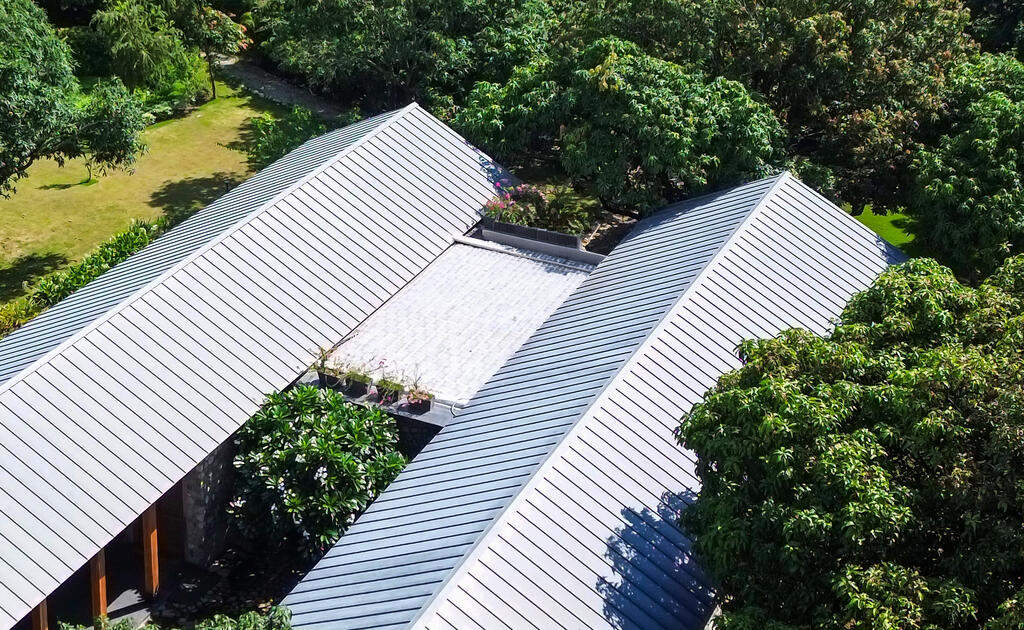
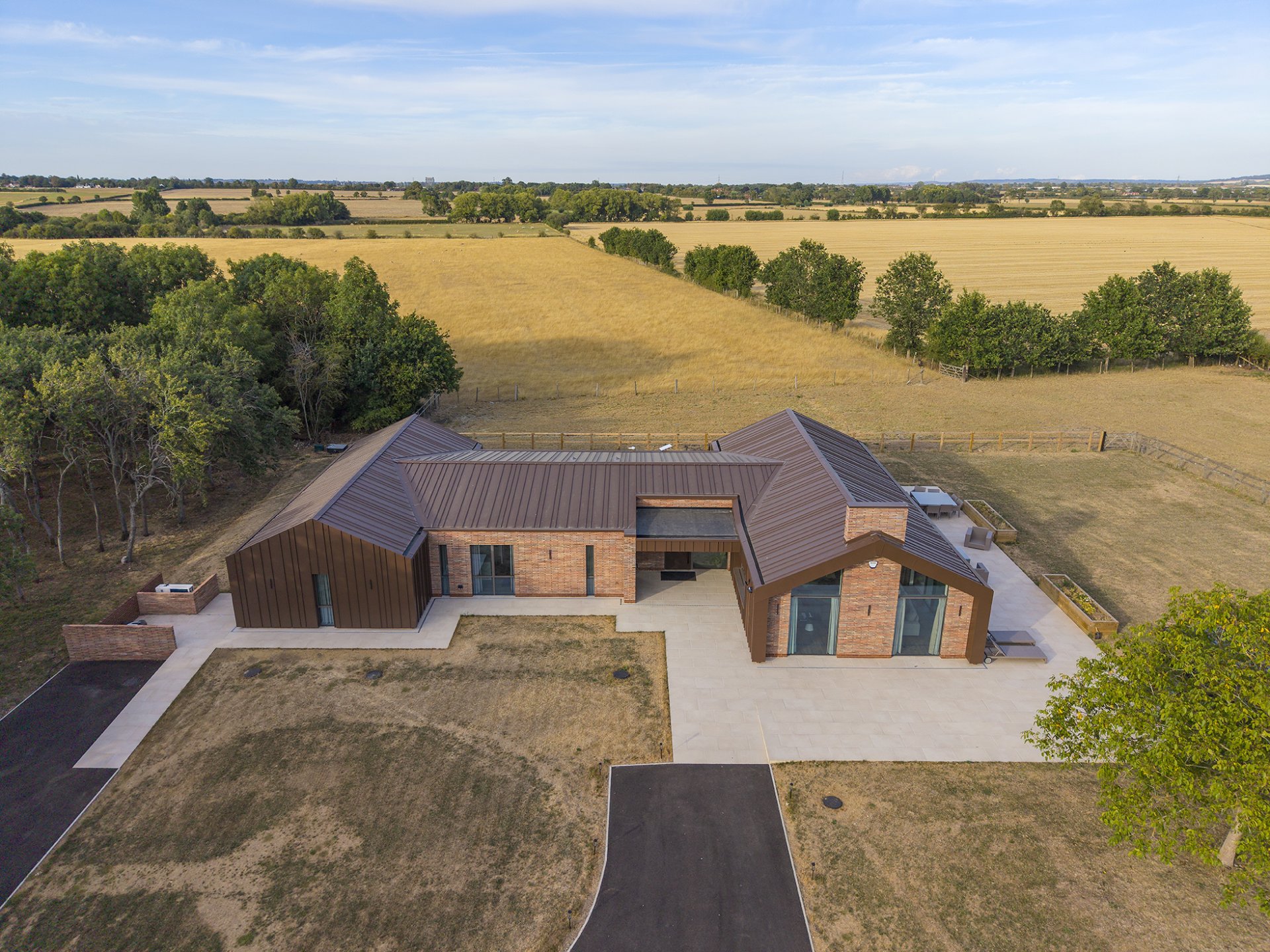
This is the most popular zinc roofing system worldwide. Long panels are joined with a slim, double folded seam (25 or 32 mm high) that creates clean, continuous vertical lines. Standing seam works on slopes from 3 degrees upward, and roofing panels can run up to 13 metres without expansion steps, which keeps large roofs clean and uninterrupted. The Royal Enfield showroom in Goa uses a standing seam roof in ANTHRA-ZINC®, proving how well this system handles a coastal climate.
Flat lock panels
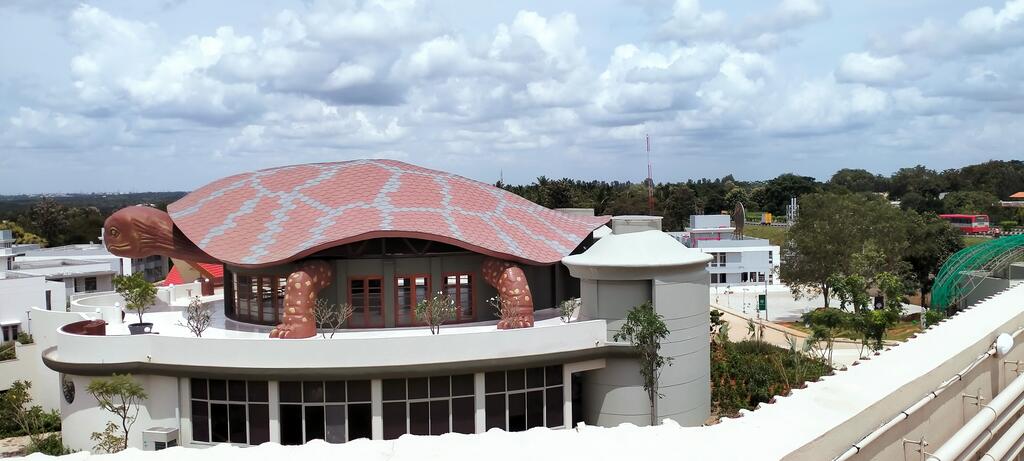
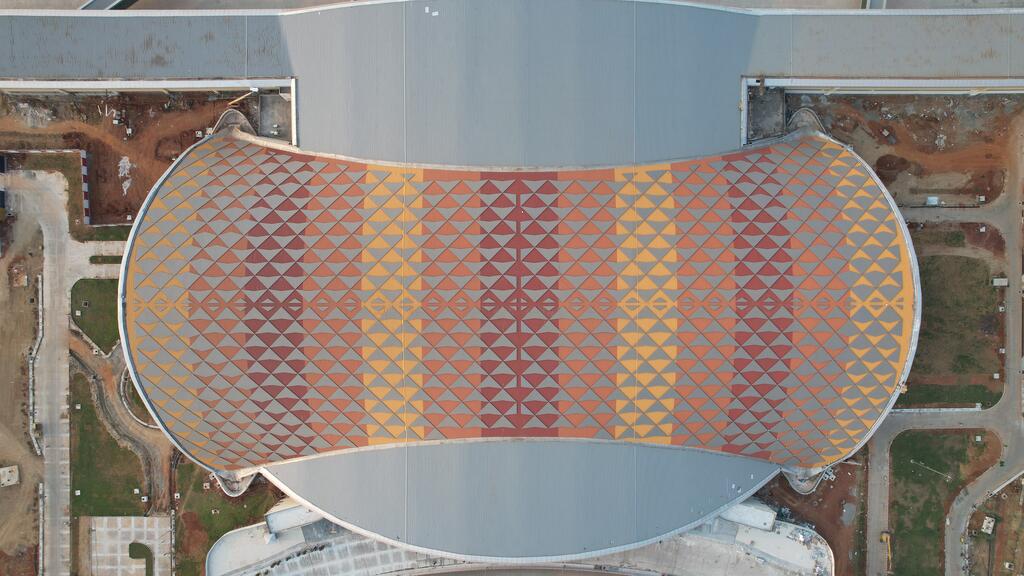
Flat lock panels are smaller, interlocking zinc shingles that create a textured, scale-like surface. They suit steeper slopes and are ideal for curved and sculptural roofs. A stunning example is the Turtle Roof at Kshemavana in Bengaluru, designed by AKFD Studio, where flat lock panels in QUARTZ-ZINC®, PIGMENTO® Red and PIGMENTO® Green form a roof inspired by a turtle shell.
ADEKA® preformed zinc tiles
For homeowners who love the familiar look of a tiled pitched roof, ADEKA® offers preformed zinc tiles. You get the classic rhythm of a tiled roof with the durability and low weight of zinc.
Warm roof or ventilated roof?
What sits beneath the zinc roofing sheet matters as much as the zinc itself. In a ventilated (cold) roof, an air gap below the zinc lets moisture escape. In a warm (non ventilated) roof, zinc is installed directly on its support, which calls for VMZINC PLUS, a zinc with a protective coating on its underside. In humid, monsoon heavy regions, getting this build up right is essential, so involve the VMZINC India technical team early in design.
Matching rainwater systems
Gutters, downpipes and flashings can all be made in VMZINC, in the same finish as the roof. That gives a cohesive look and ensures every part of the roof weathers and lasts at the same rate.
| System | Best for | Look |
|---|---|---|
| Standing seam | Low to steep slopes, large and long roofs | Clean, continuous vertical lines |
| Flat lock panels | Steeper slopes, curves and sculptural forms | Textured, scale-like pattern |
| ADEKA® tiles | Pitched residential roofs | Classic tiled roof rhythm |
Choosing your zinc roofing sheet finish
VMZINC offers a range of finishes so your roof looks right from the very first day:
Natural zinc: bright and metallic at first, then gently weathers to a soft blue grey patina.
QUARTZ-ZINC®: a pre-weathered, mid grey finish that looks settled from installation onwards.
ANTHRA-ZINC®: a deep anthracite tone for a bold, contemporary roofline.
PIGMENTO®: subtle colour tints such as red, green, blue and brown, while still showing the texture of zinc.
Patina develops differently depending on the environment. If you are building near the sea in places like Goa, Mumbai or Chennai, talk to the VMZINC India team about the best finish and detailing for your site.
Waves at all levels.
What affects zinc roofing price?
Zinc roofing price is one of the most searched questions about this material, and the honest answer is that it depends on your project. Rather than a fixed rate, it helps to understand what drives the cost:
Roof area and shape: simple, regular roofs are quicker to install than curved forms with many valleys and hips.
System: standing seam, flat lock and ADEKA® each involve different fabrication and fixing work.
Finish: natural, pre-weathered and PIGMENTO® finishes are produced differently.
Build up: insulation, decking, membranes and ventilation layers are all part of the roof.
Detailing: skylights, solar mounts, gutters and flashings add precision work.
Installation: zinc should always be fitted by experienced, trained installers with the right tools.
It is also worth comparing cost across the whole life of the roof, not just on day one. A zinc roof that lasts 80 to 100 years with minimal upkeep can replace several cycles of re-roofing and repainting with other materials. For an accurate estimate for your home, share your drawings with the team through our zinc cladding and zinc roofing page.
Maintaining a zinc roof
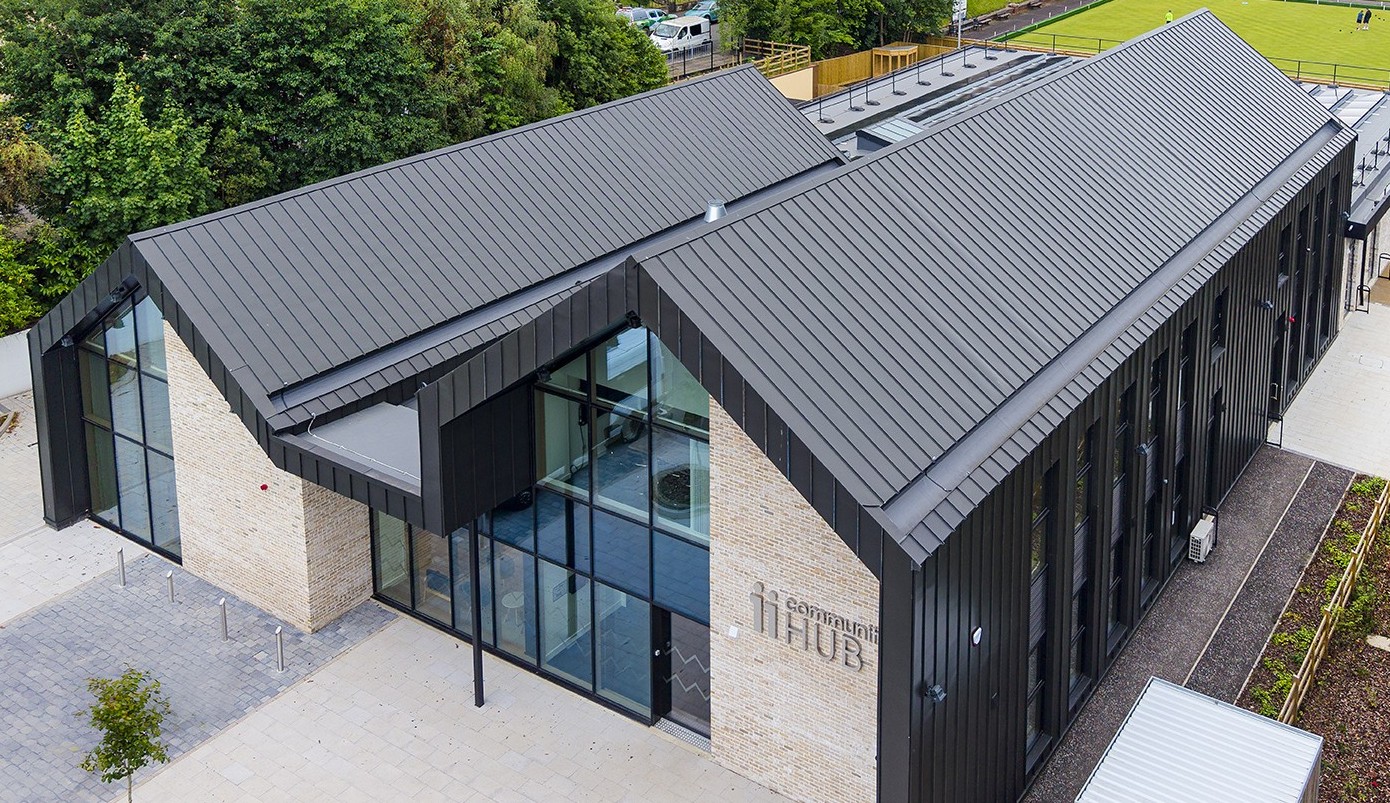
One of the nicest things about a zinc roof is how little it asks of you. In most locations, rain does the cleaning. A few simple habits will keep it performing for decades.
Simple routine care
Check gutters, outlets and downpipes before and after the monsoon, and clear leaves and debris.
Look over flashings and roof penetrations after any rooftop work, such as solar panels or AC units being added.
Walk on the roof only when needed, with soft soled shoes, and avoid stepping on the seams.
What to avoid
Rainwater running onto zinc from copper elements, which can cause staining and corrosion.
Direct contact with wet cement, lime mortar or untreated acidic timbers.
Wire brushes, abrasive pads and harsh chemical cleaners, which damage the patina.
Painting or coating the zinc. It simply is not needed.
Do not worry if a new natural zinc roof looks slightly uneven in its first months. That is the patina forming, and it evens out over time.
Zinc roofing in India: projects that inspire
Zinc roofing is already shaping some striking buildings across India. Beyond the Turtle Roof and the Royal Enfield showroom, the Baramati bus station uses a standing seam zinc roof to mark a new era of public infrastructure, and the commercial building near Trichy's Central Bus Stop carries QUARTZ-ZINC® interlocking panels from facade to roof. You can explore many more homes and buildings in our project gallery.