Zinc Cladding for Coastal Buildings: Corrosion Resistance Explained
Coastal construction puts every building material to the test. Salt-laden air, near-constant humidity, and monsoon-driven moisture cycles accelerate corrosion in materials that perform perfectly well a hundred kilometres inland. For architects and developers specifying a metal facade or metal roofing system for a coastal project, the question isn't just “does this look right,” it's “will this still look right in 20 years.”
This is where zinc cladding and zinc roofing earn their reputation. Titanium zinc doesn't just resist corrosion in humid, salt-exposed environments. It's one of the few facade materials that actually gets more stable over time, protected by a self-forming layer that most other metals can't replicate. Here's the science behind it, how it stacks up against the alternatives, and what to get right when detailing a zinc facade for a coastal building.
How Zinc Protects Itself: The Patina Explained
Unlike coated or painted metals, titanium zinc doesn't rely on an applied finish to resist corrosion. It generates its own protection through a natural chemical process.
When a zinc surface is exposed to air, it reacts with oxygen to form a thin layer of zinc oxide. In the presence of atmospheric moisture, that oxide converts to zinc hydroxide, and further reaction with carbon dioxide in the air produces a dense, insoluble layer of basic zinc carbonate, the blue-grey patina that titanium zinc is known for. This patina isn't a coating sitting on top of the metal; it's a chemically bonded barrier that blocks oxygen and moisture from reaching the zinc underneath.
The property that makes this genuinely useful in coastal applications is that the patina is self-healing. If the surface is scratched during installation, transport, or maintenance, the exposed zinc simply reacts with the surrounding air and moisture to regenerate the same protective layer. A steel roof with a scratched coating starts rusting from that point forward. A zinc facade with a scratch quietly repairs itself.
Why Coastal and Humid Climates Are a Harder Test
Standard atmospheric corrosion protection is one thing. Surviving a coastal Indian climate is another. Coastal cities like Mumbai, Chennai, Kochi, Mangalore, and Goa combine three conditions that are individually corrosive and, together, punishing for most metal facade materials:
- Chloride exposure from salt spray, which aggressively attacks passive oxide layers on many metals and drives pitting corrosion
- Sustained high humidity, which keeps surfaces wet for longer cycles and accelerates any corrosion reaction that does get started
- Monsoon cycles, which combine heavy rainfall, standing water risk, and rapid wet-dry transitions that stress coatings and seals
This is precisely the environment where titanium zinc's patina performs differently from a painted or plated surface. Because the protective layer is a stable mineral compound rather than an organic coating, it isn't degraded by UV exposure, doesn't peel or blister under humidity, and isn't reliant on an intact paint film to keep working.
Zinc vs. Other Metal Facade Materials in Coastal Conditions
Material | How it resists corrosion | Coastal/humid climate performance |
Titanium zinc | Self-forming, self-healing patina | Excellent. Patina is chemically stable in salt and humidity; no recoating required |
Galvanized (GI) steel | Sacrificial zinc coating over steel | Coating consumes itself over time in high-chloride environments; base steel eventually rusts once coating is breached |
Aluminium / composite panels | Natural aluminium oxide layer | Susceptible to pitting corrosion in chloride-rich air; oxide layer is less chemically stable than zinc's carbonate patina |
Painted/coated steel | Applied paint or polymer coating | Performance depends entirely on coating integrity; humidity and UV accelerate coating failure, exposing steel to rust |
Copper | Natural patina (similar principle to zinc) | Performs well, but risks galvanic corrosion if placed in direct contact with other metals in the same system |
The practical difference shows up in maintenance cycles. A zinc roofing or cladding system in a coastal environment typically requires no recoating or repainting across a service life of 80 to 100+ years, while galvanized steel and painted metal facades in the same conditions often need recoating or partial replacement within 10 to 20 years.
Getting the Details Right: Specifying Zinc for a Coastal Project
Zinc's natural corrosion resistance is only as good as the detailing around it. A few principles matter specifically in coastal, humid applications:
• Avoid direct contact with incompatible metals. Zinc is anodic relative to some metals (like copper and certain grades of steel), which means direct contact in the presence of moisture can trigger galvanic corrosion. The same electrochemical process that makes zinc a useful sacrificial coating on galvanized steel becomes a liability when it's zinc itself being sacrificed to a more noble metal. Fasteners, flashings, and adjoining trim should be zinc-compatible or properly isolated.
•Ensure proper drainage and ventilation behind the cladding. Rainscreen and standing-seam systems should be detailed with a ventilated cavity that allows any moisture that does get behind the cladding to dry out, rather than sitting against the back of the panel in a permanently humid coastal atmosphere.
•Specify pre-weathered finishes for consistent appearance from day one. Factory pre-weathered finishes, such as QUARTZ-ZINC and ANTHRA-ZINC, arrive with the protective patina already developed, which avoids the uneven “patchy” look that can occur when bright zinc weathers naturally and unevenly across a facade exposed to variable coastal sun and rain.
•Confirm the material meets EN988 standards. This European standard governs the composition, thickness, and quality of rolled zinc for building applications, and it's worth confirming as part of any specification for a coastal project where material consistency matters more than usual.
Our technical support team can help confirm detailing and material specification for coastal projects at the design stage.
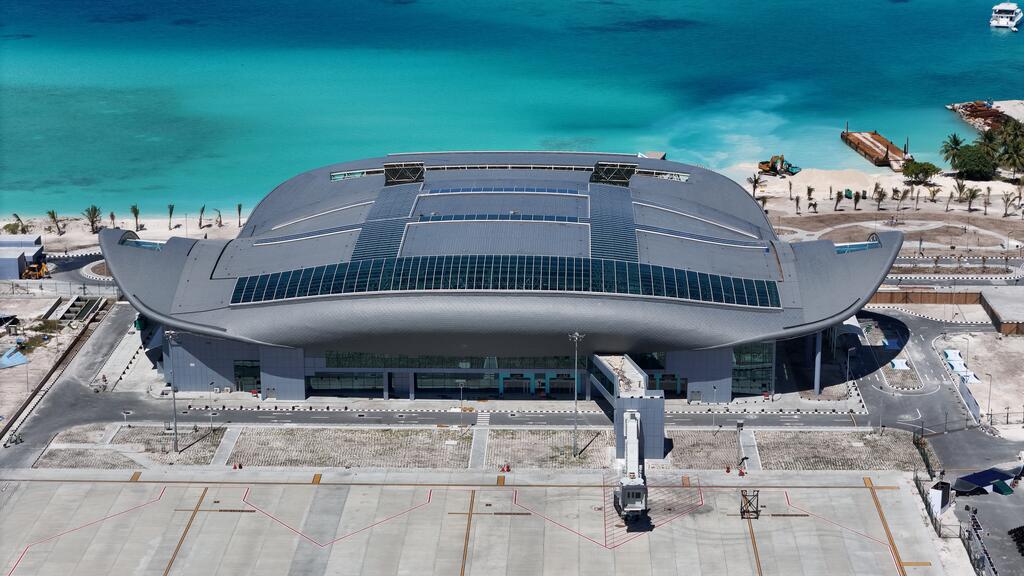
Hanimadhoo International Airport, (The Maldives)
The Bottom Line for Architects and Developers
In coastal and humid climates, the corrosion resistance conversation isn't about which material survives the first few years. It's about which one still performs after two or three decades of salt, humidity, and monsoon cycling with no intervention. Titanium zinc's self-healing patina is a genuinely different mechanism from the coatings and platings that most competing metal roofing and facade materials rely on, which is why it remains a preferred choice for architects designing for India's coastal cities.
Considering zinc cladding or roofing for a coastal project? Contact our Specification team for technical guidance, sample finishes, and detailing support tailored to your site's climate conditions.
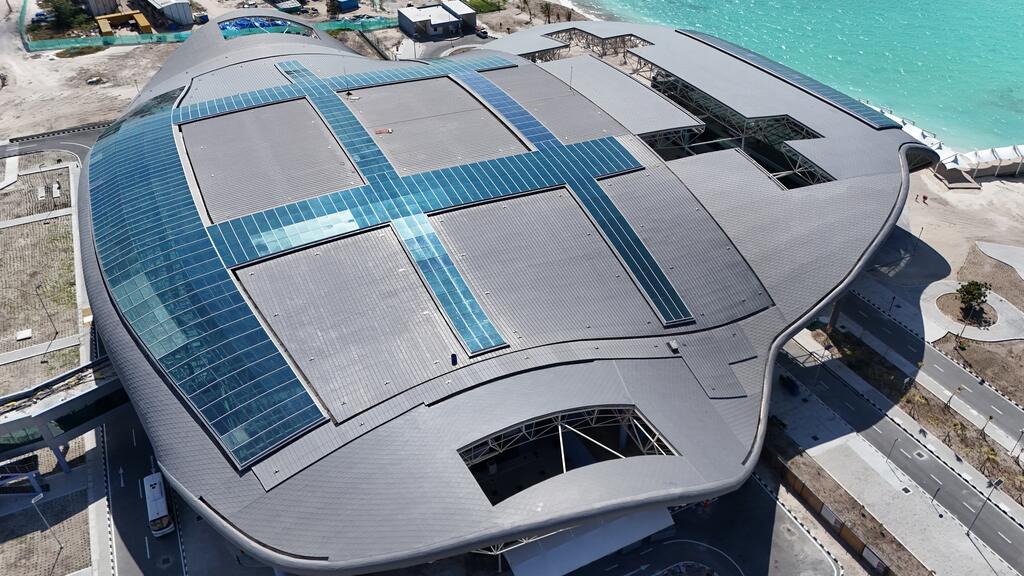
Hanimadhoo International Airport, (The Maldives)
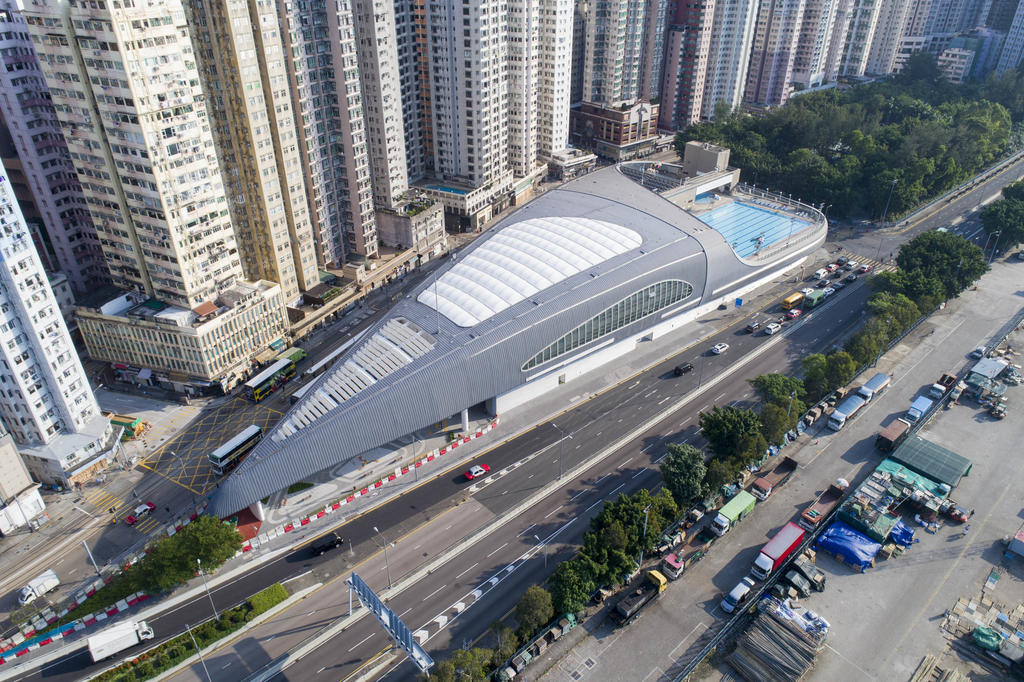
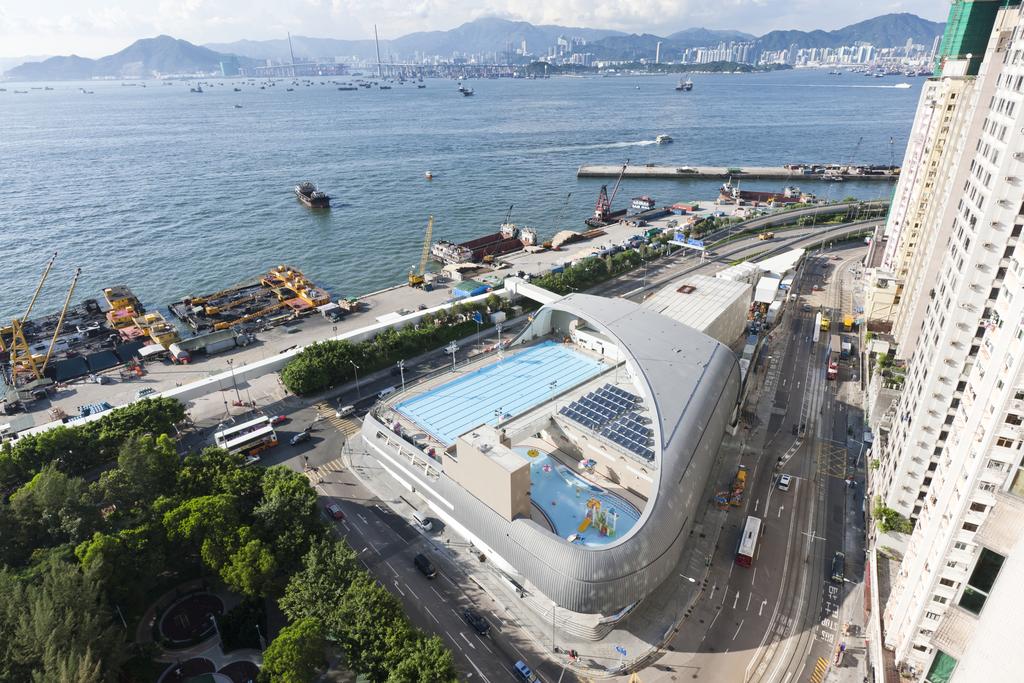
Piscine Kennedy Town, Hong Kong (China)
Frequently Asked Questions
Does zinc rust in coastal areas?
No. Zinc doesn't rust the way steel does. It forms a stable, self-healing patina of zinc carbonate that protects the surface indefinitely, even in salt-exposed coastal air.
How long does zinc cladding last near the sea?
Properly detailed titanium zinc facades and roofs commonly perform for 80 to 100+ years in coastal environments, with no repainting or recoating required.
Can zinc be used in direct contact with copper on a coastal building?
Direct contact between zinc and copper (or certain other metals) in a moist environment can cause galvanic corrosion. These materials should be isolated or separated with a compatible barrier when used together on the same structure.
Is zinc cladding suitable for monsoon-heavy regions?
Yes. Zinc's protective patina is chemically stable through repeated wet-dry cycles, which makes it well suited to monsoon climates, provided the system is detailed with adequate drainage and ventilation.